%20Redacto%20logo_New.png)


Vendor Risk Management: What It Is and Why It Is Important in 2026


Most of us have been there. A team signs a SaaS tool, procurement files the invoice, IT approves SSO, and everyone moves on.
The problem is that the vendor now sits inside your risk boundary.
If that vendor stores customer records, processes employee data, reads production logs, supports your app, or connects through APIs, their failure can become your compliance issue. Under the Digital Personal Data Protection Act, 2023, the data fiduciary remains responsible for obligations around digital personal data. Section 8 is especially important because it deals with general obligations of a data fiduciary, including security safeguards and personal data breach intimation.
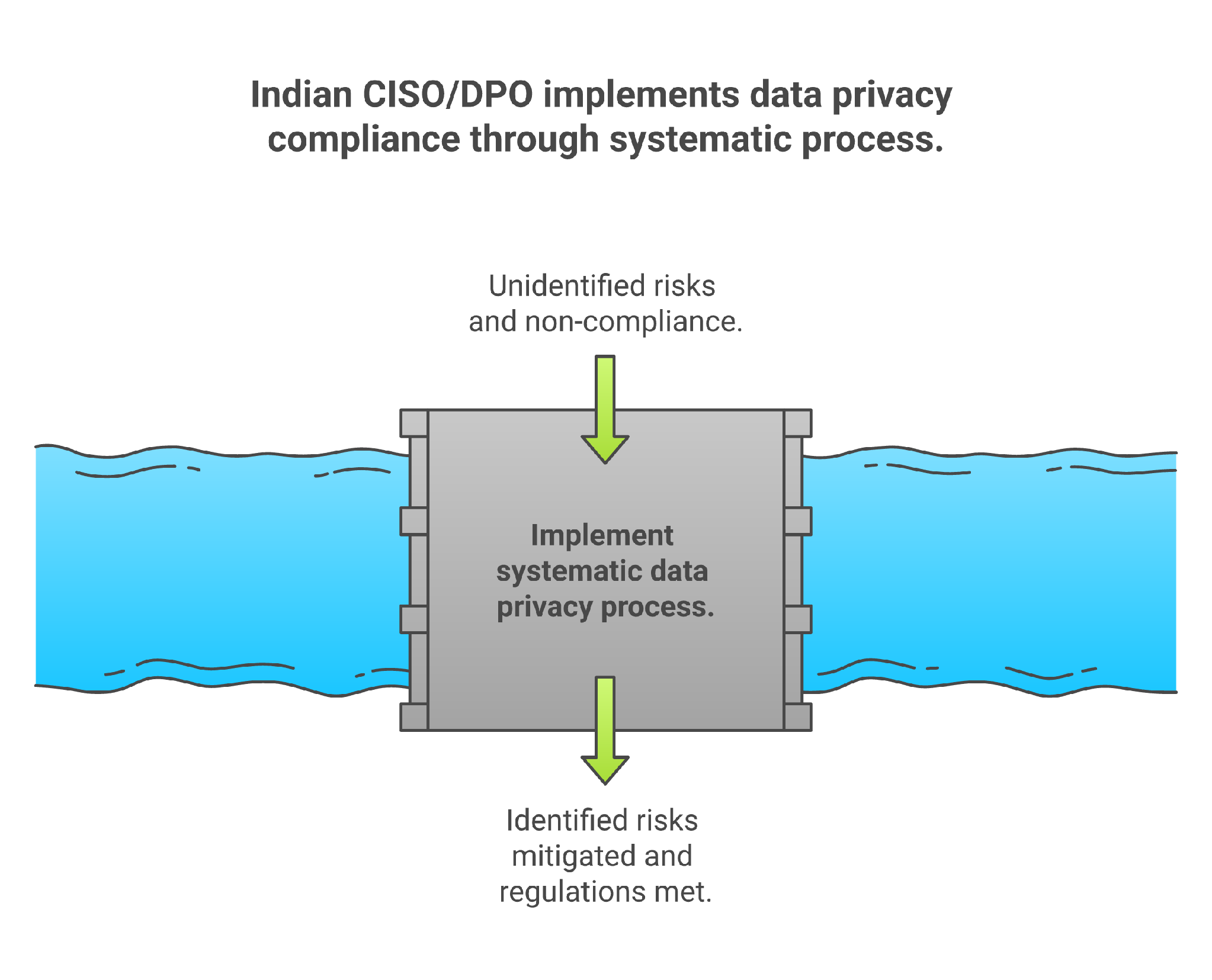
That is why vendor risk management matters in 2026. It is no longer a quarterly questionnaire exercise. It is how you prove that the people touching your data outside your payroll are being assessed, monitored, and held to the same standard you promise your customers.
What is vendor risk management?
Vendor risk management is the process of identifying, assessing, controlling, and monitoring risks created by third-party vendors.
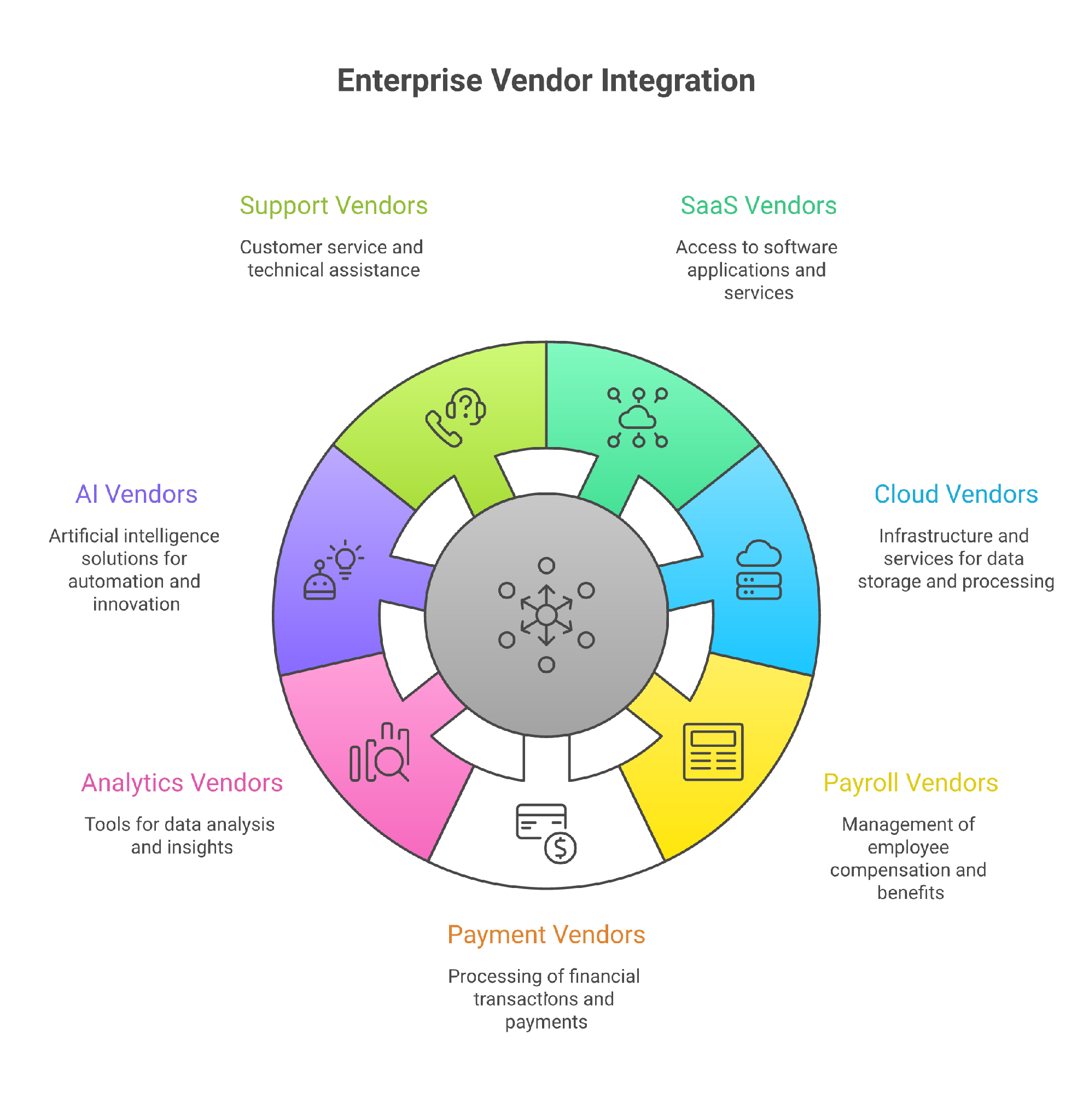
A vendor can be almost anyone your business depends on:
- A cloud infrastructure provider
- A payroll or HRMS platform
- A CRM, analytics, or marketing automation tool
- A call-centre partner
- A hospital information system vendor
- A pharma trial-data processor
- A payment gateway, lending-tech partner, or banking technology provider
- An AI tool that reads customer chats, support tickets, files, code, or emails
Vendor risk management answers four practical questions:
- What does this vendor access?
- What can go wrong if the vendor fails?
- What evidence do we have that the vendor is controlled?
- Who owns remediation when the vendor’s risk changes?
Notice what is missing here: a one-time form.
A questionnaire helps, but it is not the program. A real vendor risk program includes classification, due diligence, contract controls, evidence collection, continuous monitoring, incident response, renewal checks, and exit planning.
Why vendor risk management is important in 2026
The short answer: your vendors now process too much regulated data for informal trust to work.
The longer answer has five parts.
1. DPDP makes processor oversight a board-level issue
The DPDP Act, 2023 is built around accountability. If your organisation is the data fiduciary, you cannot treat a processor’s failure as someone else’s problem.
Section 8 of the Act covers the general obligations of a data fiduciary. Read with the Act’s penalty framework in Section 33 and the Schedule, failure to take reasonable security safeguards to prevent a personal data breach can attract penalties up to ₹250 crore under the official DPDP Act gazette text published by MeitY.

That changes the conversation with vendors.
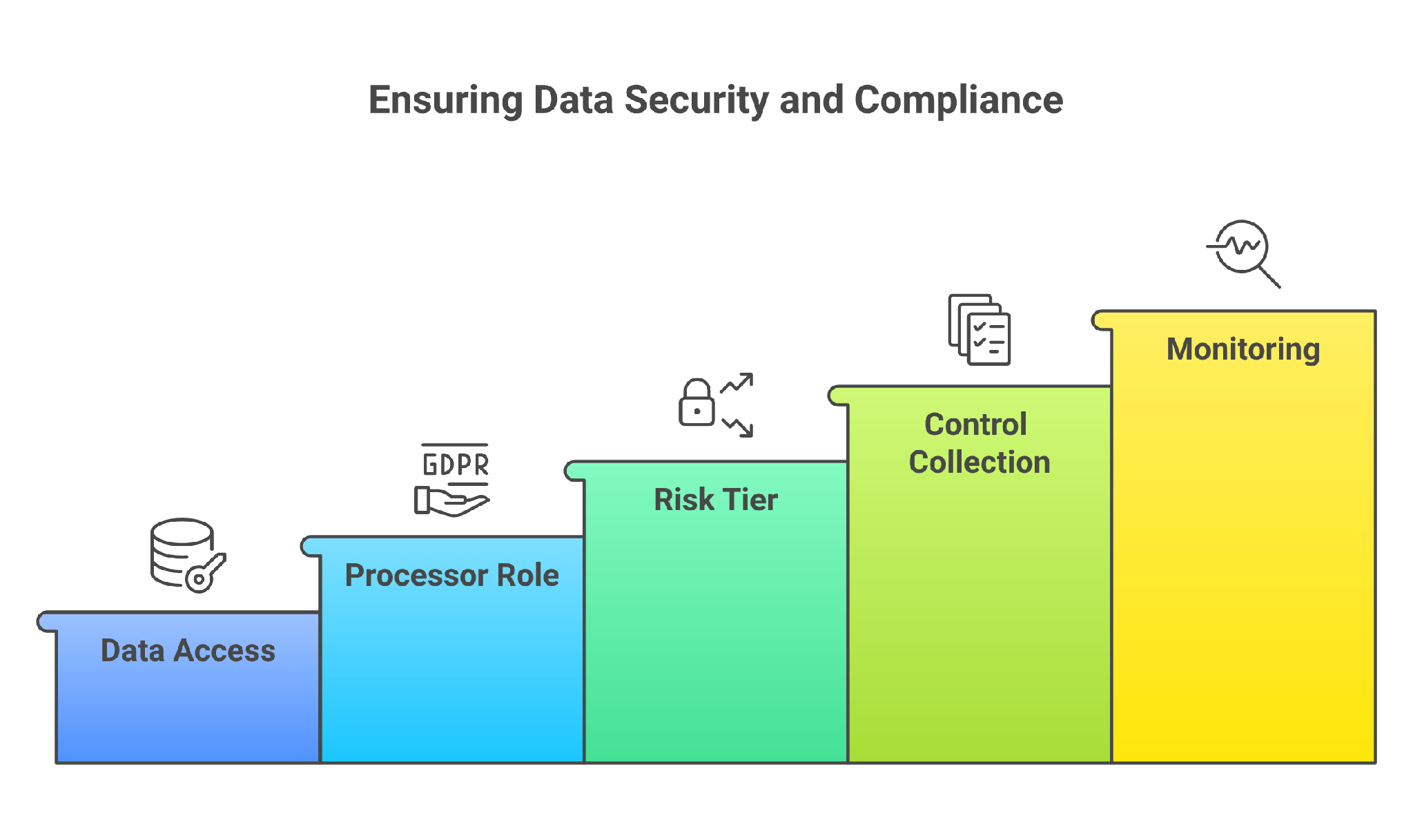
You do not just need a signed DPA. You need evidence that the vendor can protect personal data, notify you quickly, support breach response, and respect your retention and deletion rules.
2. BFSI outsourcing rules expect active oversight
For banks, NBFCs, credit information companies, and other regulated entities, vendor risk is already a regulatory discipline.
The RBI Outsourcing of Information Technology Services Directions, 2023 came into effect on October 1, 2023. RBI is clear that outsourcing does not reduce the regulated entity’s obligations, and the board and senior management remain ultimately responsible for outsourced activity.
That matters beyond BFSI too. Healthcare, pharma, manufacturing, and SaaS companies may not all follow RBI directions, but the governance lesson is the same: if a vendor performs a critical activity, you need a way to oversee it.
3. Incident timelines leave no room for vendor confusion
A vendor incident is not useful to you three days later.
CERT-In’s 2022 directions require covered entities such as service providers, intermediaries, data centres, body corporates, and government organisations to report specified cyber incidents within six hours of noticing the incident or being notified about it, as summarised in the UNIDIR Cyber Policy Portal entry for CERT-In Direction No. 20(3)/2022.
If your vendor contract does not specify incident notice timelines, log availability, contact paths, and escalation owners, you may lose the first six hours just finding the right person.
4. AI vendors create a new kind of data exposure
AI tools are not just another SaaS category. They often ingest prompts, files, tickets, transcripts, documents, and code. Some connect into Slack, Gmail, CRM, GitHub, support desks, and data warehouses.
IBM’s current Cost of a Data Breach report page frames rapid AI adoption without security and governance as a data and reputation risk. For a CISO or DPO, that means AI vendor review needs to go beyond SOC 2 certificates.
Ask:
- What data is used for model training?
- Can customer data be retained in prompts or logs?
- Which integrations use OAuth tokens, and what scopes do they request?
- Can the vendor separate Indian data principals from other geographies where required?
- Who can access prompt history, uploaded files, and generated outputs?
5. Audit evidence is becoming the real test
Many companies have a vendor list. Fewer can show why each vendor is low, medium, high, or critical risk.
That is where audits become uncomfortable.
A CISO, DPO, or compliance head should be able to open one record and show:
- The vendor’s business owner
- The data categories shared
- The purpose of processing
- The legal/compliance obligation involved
- The latest assessment and risk score
- Contract clauses for confidentiality, breach notice, sub-processors, deletion, audit rights, and exit
- Open findings and remediation owner
- Renewal date and reassessment cadence
Without that evidence trail, vendor risk management becomes memory. Memory does not survive an audit.
Common types of vendor risk
Here is a practical way to classify vendor risk before it turns into a spreadsheet with 80 columns.
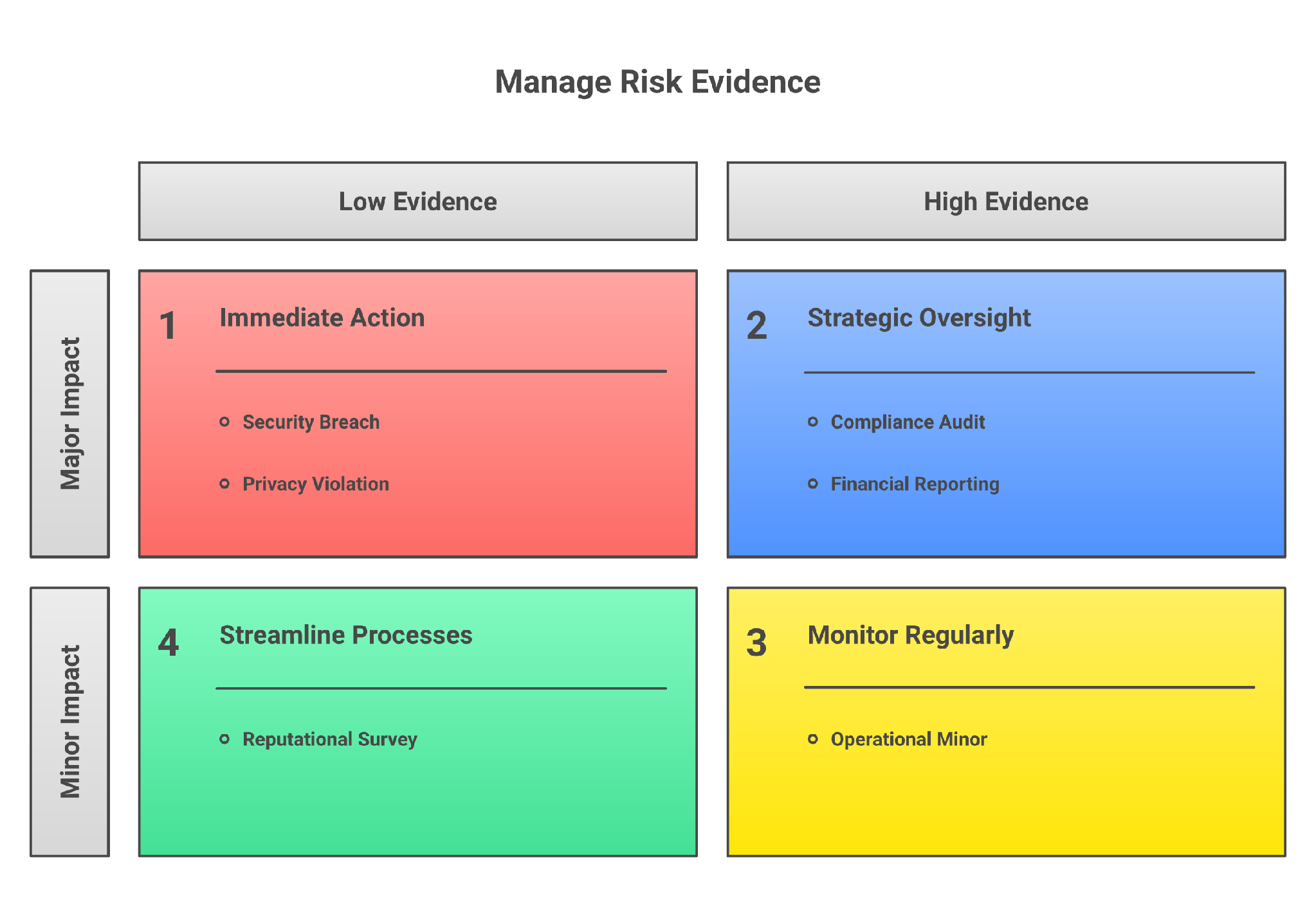
The vendor risk management lifecycle
A good program does not need to be complicated. It needs to be repeatable.
Step 1: Build a complete vendor inventory
Start with finance, procurement, SSO, endpoint agents, cloud accounts, expense data, and business teams. Your official vendor list is usually smaller than your real vendor footprint.
For each vendor, capture:
- Vendor name and owner
- Product or service used
- Data accessed
- Systems connected
- Geography of processing
- Contract status
- Renewal date
- Criticality
Step 2: Tier vendors by actual exposure
Do not assess every vendor with the same weight. A stationery supplier and a cloud support vendor do not create the same risk.
Use simple tiers:
- Critical: processes sensitive personal data, supports core operations, or has privileged system access
- High: processes personal data or connects to important business systems
- Medium: limited data access or non-critical operational role
- Low: no personal data, no system access, minimal continuity impact
This helps your team spend effort where it matters.
Step 3: Run due diligence before onboarding
Before signing, ask for evidence that matches the risk tier.
For a critical vendor, that may include ISO 27001 or SOC 2 reports, security architecture, incident response process, sub-processor list, data retention terms, privacy notice, vulnerability disclosure process, and a DPDP-aligned data processing addendum.
For a low-risk vendor, a lighter review may be enough.
Step 4: Put controls into the contract
The contract is where vendor promises become enforceable.
At minimum, review clauses for:
- Confidentiality and permitted use
- Personal data processing purpose
- Security safeguards
- Breach notification timeline
- Sub-processor approval or notice
- Audit and evidence rights
- Data deletion or return on termination
- Business continuity
- Location of processing where relevant
- Liability and indemnity
Step 5: Monitor risk after onboarding
Vendor risk changes after signature. A vendor can add a sub-processor, suffer a breach, change hosting regions, lose a certification, or launch an AI feature that changes data handling.
Set reassessment frequency by tier:
- Critical: continuous monitoring plus formal review at least annually
- High: annual review and event-based review
- Medium: review at renewal or material change
- Low: lightweight renewal check
Step 6: Prepare for incidents and exits
If a vendor fails, your team should already know the playbook.
Who receives the first alert? Who decides whether DPDP breach intimation is triggered? Who pulls logs? Who contacts customers? Who suspends integration tokens? Who confirms deletion or migration during exit?
These questions should be answered before the incident.
How I evaluated vendor risk priorities for 2026
I treated vendor risk management as a CISO/DPO operating problem, not a procurement checklist. The priority is not to collect the most documents; it is to prove that high-risk vendors are known, controlled, monitored, and ready for breach response under Indian regulatory expectations.
- DPDP exposure came first because personal data processing by vendors can create direct accountability for the data fiduciary.
- BFSI-style oversight mattered because RBI’s outsourcing directions show how regulators expect active control over critical service providers.
- Incident readiness mattered because CERT-In-style reporting windows make slow vendor escalation a real operational risk.
- AI access mattered because AI vendors often handle broad, unstructured data through prompts, files, logs, and integrations.
- Audit evidence mattered because leadership needs a defensible record, not just a vendor relationship owner saying “we checked this once.”
Where Redacto fits
If you are managing 20 vendors, a spreadsheet can still work for a while.
But if you are a BFSI, Healthcare, Pharma, or compliance-heavy SaaS team managing dozens or hundreds of vendors, the spreadsheet starts creating its own risk. Reviews get delayed. Evidence goes stale. Findings lose owners. Nobody knows whether the vendor touching personal data has been reassessed after a product change.
This is where Redacto’s vendor risk management capability fits naturally.
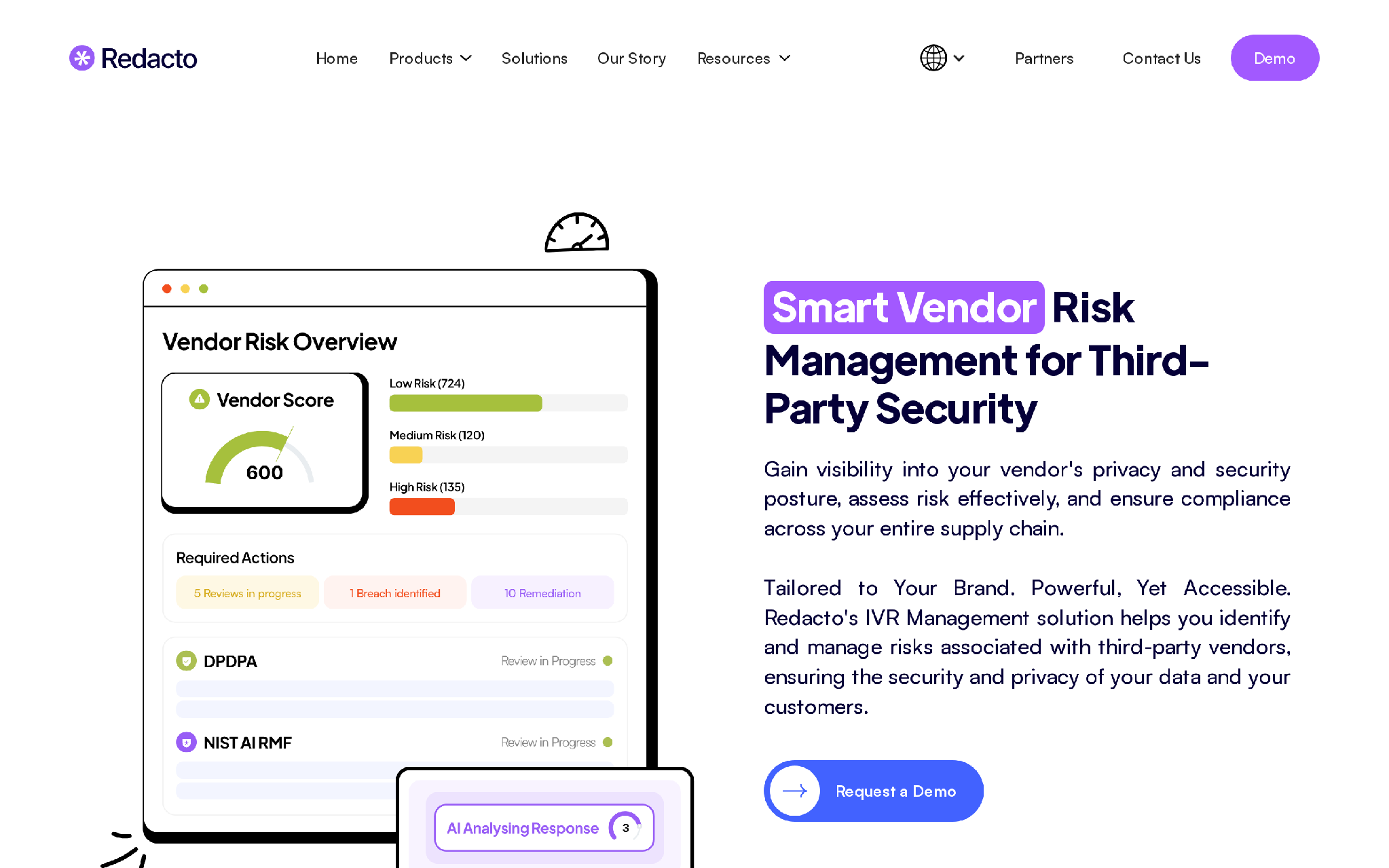
Redacto helps teams move vendor reviews into a structured workflow: vendor questionnaires, third-party risk assessments, risk scoring, prioritisation, monitoring, alerts, and incident-response coordination. The point is not to add another dashboard. It is to help you demonstrate compliance and reduce third-party risk in days, not months.
Redacto is not the right fit if you only need a basic list of non-critical suppliers or a one-time vendor questionnaire for a tiny team. A lighter procurement tracker may be cheaper.
Redacto makes more sense when vendor risk is tied to DPDP readiness, regulated data, audit evidence, or board-level privacy and security reporting.
A practical vendor risk checklist for this week
If you want to make progress without turning this into a six-month transformation, start here:
- Export all vendors from finance, SSO, procurement, and expense tools.
- Mark which vendors touch personal data, production systems, source code, payment data, health data, employee data, or customer communications.
- Tier vendors as critical, high, medium, or low.
- Pick the top 10 critical/high vendors and collect current security, privacy, breach-response, and sub-processor evidence.
- Check whether contracts include breach notice, deletion, audit rights, and sub-processor controls.
- Assign one owner for every open vendor finding.
- Set a reassessment date before renewal, not after renewal.