Personalized Outbound Strategy
Get The Right Outbound Strategy In Minutes
Enter your email to get a custom plan & stack recommendation for your business
It's being carefully crafted by AI
Please check your mailbox in 5 minutes
%20Redacto%20logo_New.png)



Hospitals and healthtech companies in India handle some of the most sensitive data.
Patient records. Lab reports. Insurance details. Diagnostic history.
Under the Digital Personal Data Protection Act, this data isn’t formally labeled as “sensitive,” but the responsibility to protect it is still strict. That means strict rules around how it is collected, stored, and shared.
The main problem here is, most hospitals still manage compliance using spreadsheets, manual approvals, or disconnected tools. That doesn’t scale and more importantly, it increases risk.
In this guide, I’ll break down the best DPDPA compliance software for hospitals and healthtech companies in India.
You’ll see what each platform does well, where it falls short, and which one fits your setup.
Healthcare data is different from regular business data.
It includes:
Under DPDPA, hospitals act as data fiduciaries.
That means they are responsible for protecting this data at every stage.
Here’s where most hospitals struggle:
Patients sign forms at reception or online. But there is no central system tracking what consent was given, when, and for what purpose.
EMR, billing software, CRM, lab systems, all store patient data. There’s no unified visibility.
Labs, SaaS tools, insurers, and cloud providers all access patient data. Most hospitals don’t assess this risk properly.
If a regulator asks, “Show how you handled patient data,” most teams don’t have structured logs.
DPIA (Data Protection Impact Assessments), breach reporting, and DSAR requests are handled manually.
👉 The result: gaps, delays, and exposure to penalties. This is where DPDPA compliance software becomes necessary.
Not all privacy tools work for hospitals, so focus on features that match real healthcare workflows.
Let’s break down the top tools.
Pricing Disclaimer: All pricing mentioned is indicative and based on market research, public information, and enterprise benchmarks for 2026. These are not fixed vendor quotes, and actual pricing may vary depending on scope, modules, deployment, and support needs.
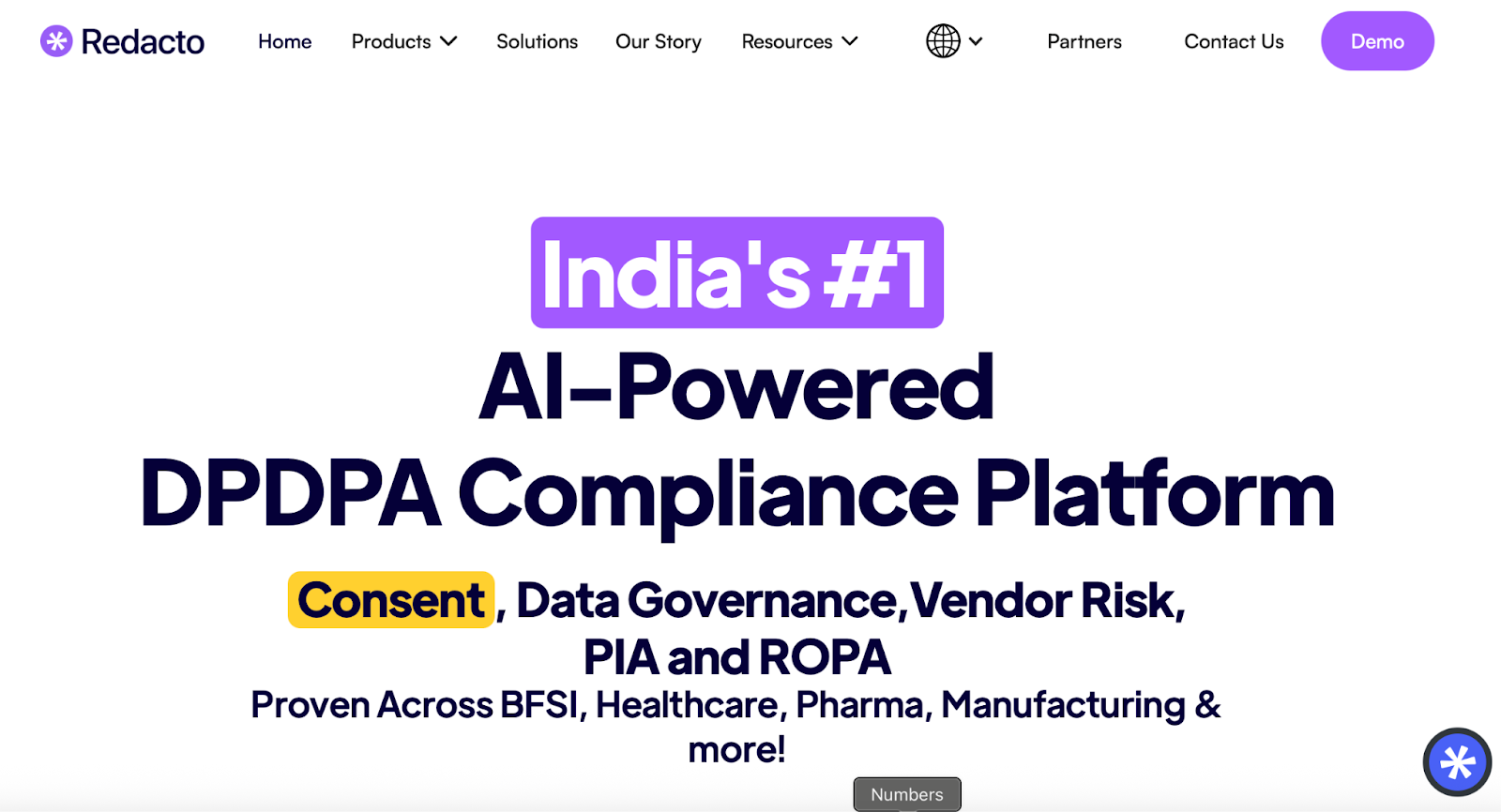
Redacto is an AI compliance platform built around Indian data protection workflows.
Instead of using separate tools for consent, DPIA, and vendor risk, everything sits in one system, which makes daily operations simpler.
It works best for mid-to-large hospitals and healthtech companies that want one system to manage everything.
Pricing usually starts around ₹35L per year, which puts it in the mid-to-enterprise range depending on usage and scale.
Third-Party Risk Management Framework: A Step-by-Step Implementation Guide
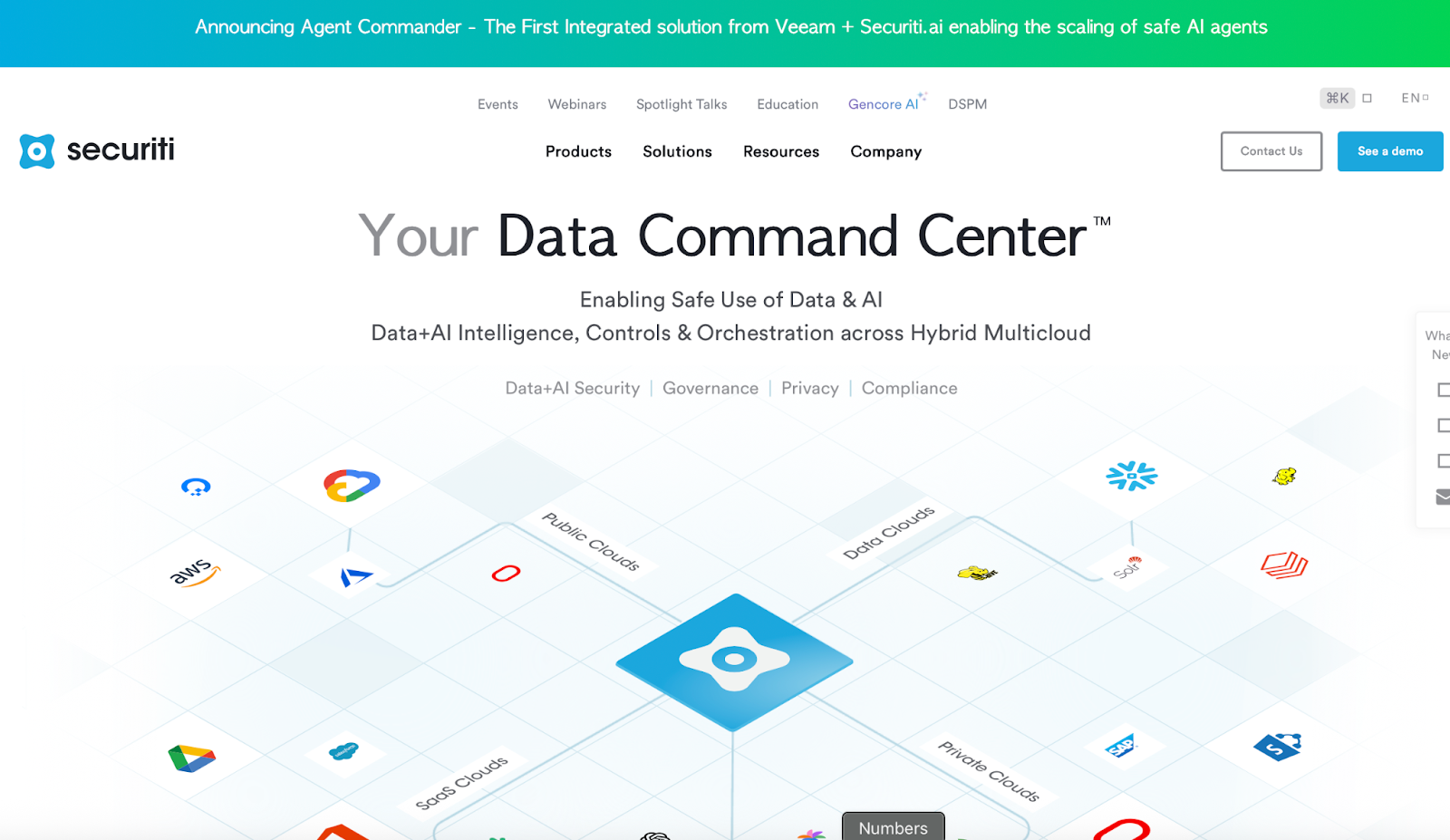
Securiti is a global platform focused on data privacy and governance, and it leans heavily on AI for automation.
It is often used by large enterprises that manage complex data environments across teams and regions.
Why responsible AI governance starts with data privacy
Best suited for large hospital chains or enterprise healthcare groups with complex compliance needs.
Pricing typically starts around ₹75L per year, and can go higher depending on how many modules and systems you include.
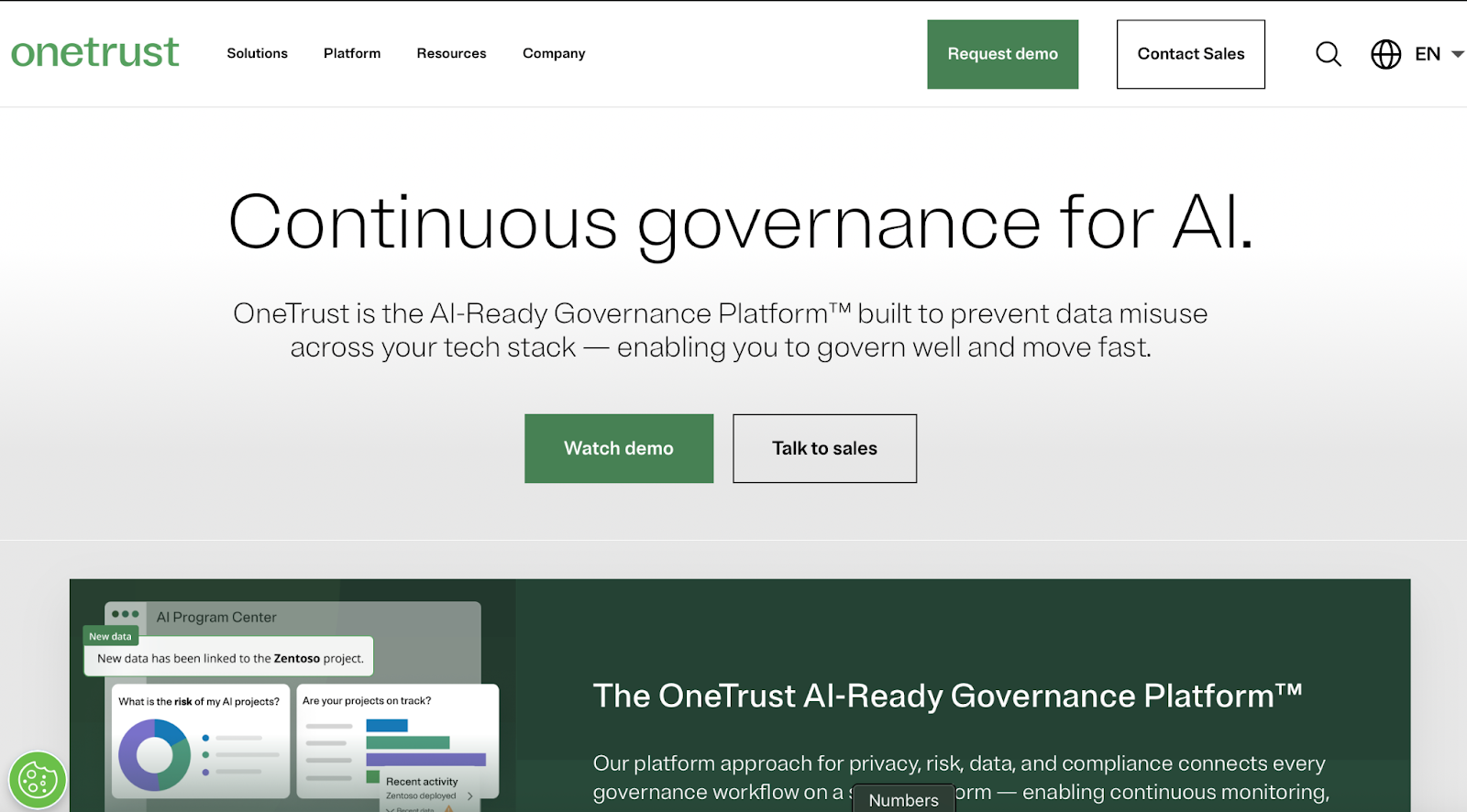
OneTrust is one of the most widely used compliance platforms globally.
It is often chosen by organizations that already operate across multiple countries and need a standardized approach.
Best for large hospitals or healthtech companies operating internationally.
Pricing usually starts around ₹80L per year, and increases based on modules and scale.
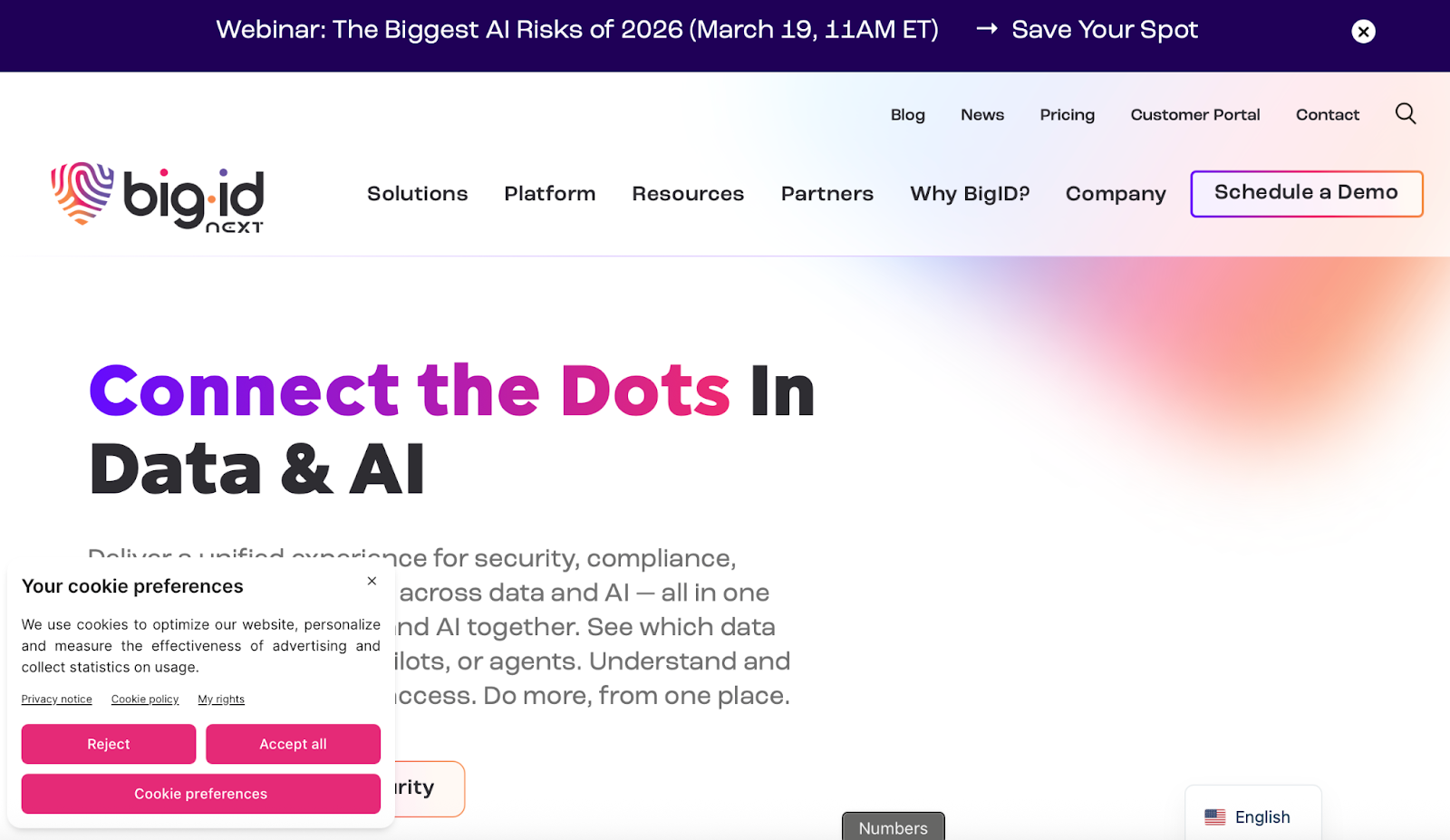
BigID is mainly focused on data discovery, which means it helps organizations understand where their data exists and how it flows.
This is especially useful for hospitals with large and complex data systems.
Best for large hospitals or data-heavy healthtech companies.
Pricing generally starts around ₹1Cr per year, making it one of the more expensive options in this space.
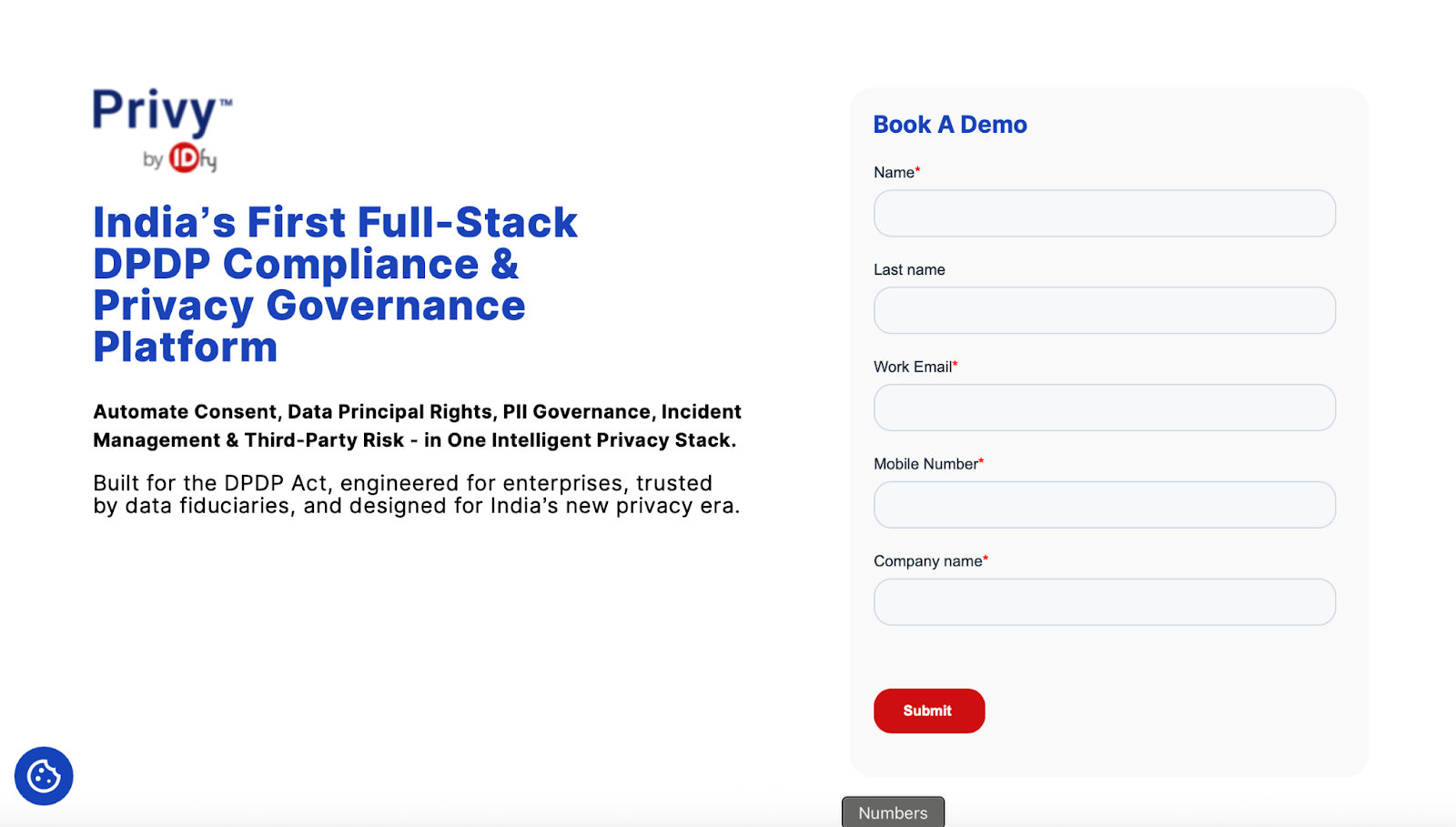
IDfy’s Privy platform focuses on privacy and compliance for Indian enterprises.
It combines data protection workflows with identity verification capabilities.
Best for mid-to-large hospitals and enterprises that prefer India-focused solutions.
Pricing typically starts around ₹35L per year, and can increase based on deployment size and integrations.
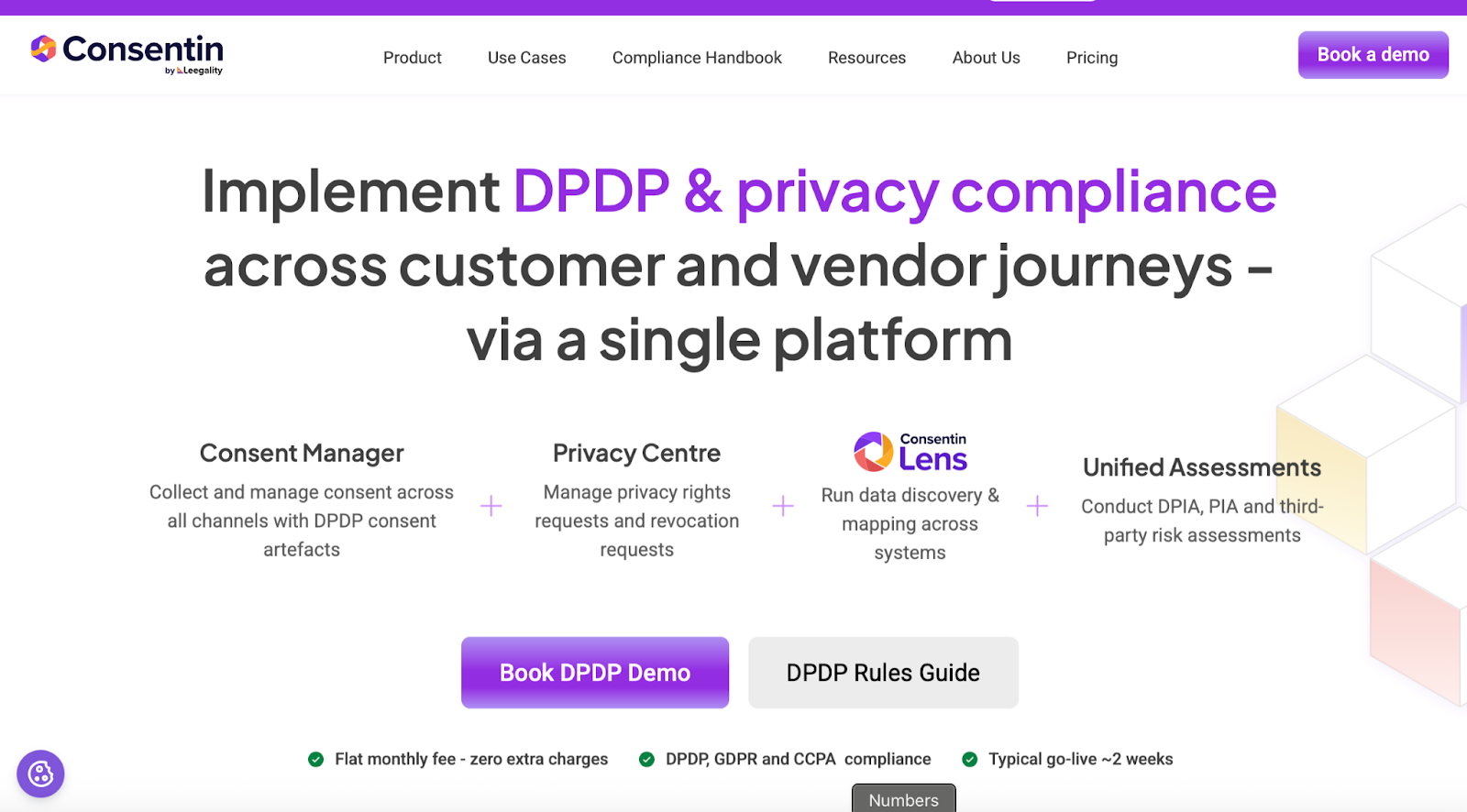
Consentin focuses mainly on consent management rather than full compliance coverage.
This makes it simpler and easier to adopt, especially for smaller teams.
Best for small to mid-size hospitals or clinics that need basic compliance support.
Pricing usually starts around ₹25L per year, making it one of the more affordable options among DPDPA tools.
Choosing the right tool depends on your setup.
👉 Focus on:
Best fit: Redacto, Consentin
👉 Need:
Best fit: Redacto, IDfy
👉 Need:
Best fit: Securiti, OneTrust
👉 Need:
Best fit: BigID (with governance layer)
Enter your email to get a custom plan & stack recommendation for your business
Please check your mailbox in 5 minutes
Choosing the right DPDPA tool comes down to how well it fits your real hospital workflows.
The goal is not just compliance, but having a system that actually works day-to-day without slowing your team down.
If your setup is simple, a consent-focused tool may be enough.
But if you are handling data across multiple systems, a full compliance platform becomes necessary.
Before deciding, it helps to see how a tool handles your actual use case, not just features on a page.
If you want to explore this further, you can take a closer look at how Redacto handles healthcare compliance workflows in practice and see if it fits your setup.