Personalized Outbound Strategy
Get The Right Outbound Strategy In Minutes
Enter your email to get a custom plan & stack recommendation for your business
It's being carefully crafted by AI
Please check your mailbox in 5 minutes
%20Redacto%20logo_New.png)




Vendor risk is one of the most overlooked parts of DPDPA compliance.
Most companies focus on consent and policies.
But in reality, data is often shared with vendors, tools, and third parties.
That’s where the real risk starts.
If a vendor mishandles data, your company is still responsible under DPDPA.
This is why vendor risk management software is becoming essential.
It helps you track vendors, assess risk, and stay audit-ready without manual work.
In this guide, you’ll find the best vendor risk management software for DPDPA compliance in India, based on features, pricing, and real use cases.
This will help you quickly understand which tool fits your compliance needs.
Vendor Risk Management (VRM) means tracking and controlling how third-party vendors handle your users’ data.
Under DPDPA, vendors act as data processors.
This means even if a vendor causes a breach, your company is still responsible.
The main risks include:
This is why VRM is not optional.
It is a core part of staying compliant with DPDPA.
Most teams still manage vendor risk manually.
That creates gaps.
Common issues include:
Many teams think consent = compliance.
But most compliance failures actually happen through vendors.
Pricing Disclaimer: All pricing mentioned here is indicative and based on market research, public information, and enterprise benchmarks for 2026. These are not fixed vendor quotes, and actual pricing may vary depending on scope, modules, deployment, and support needs.
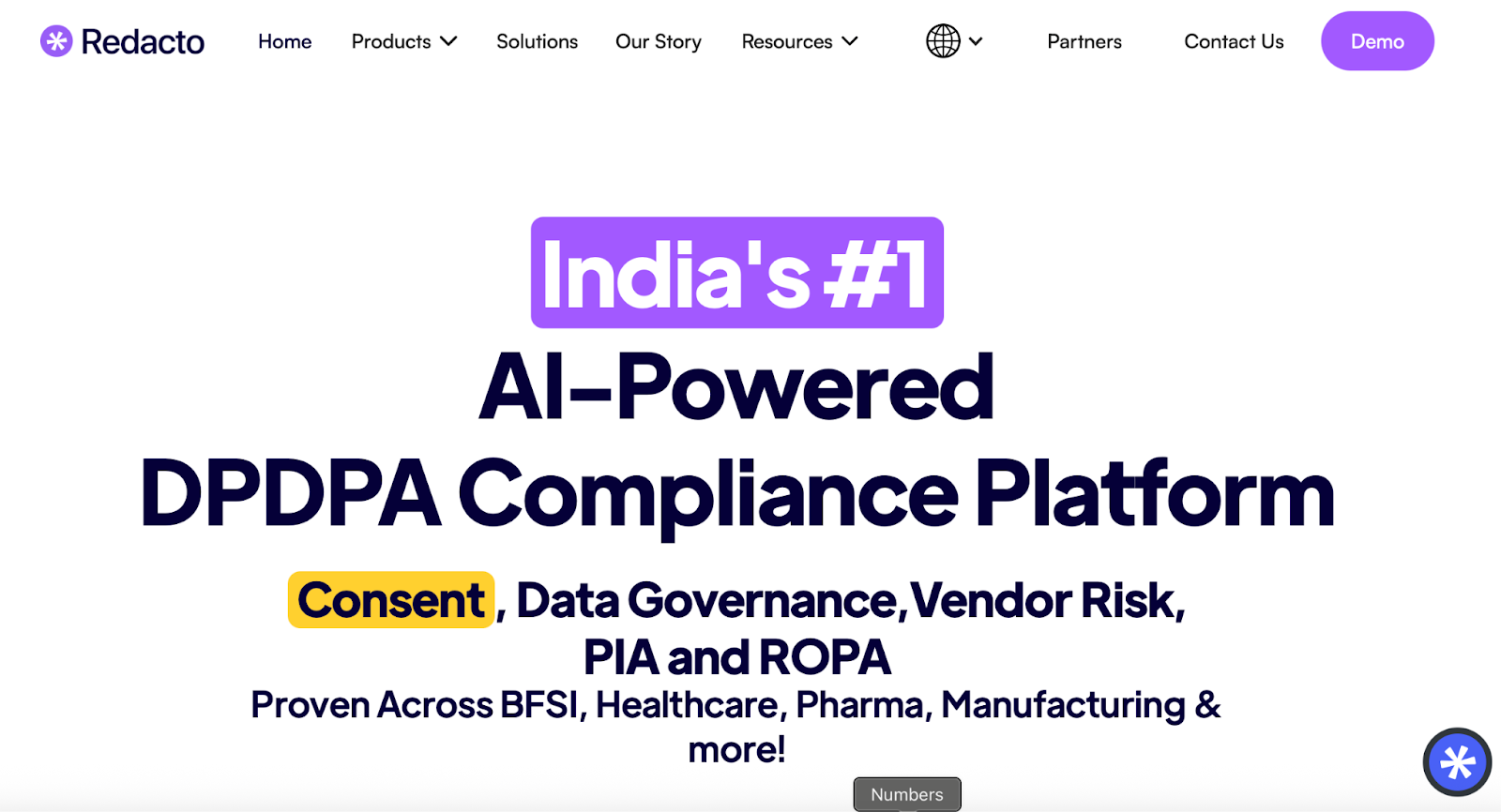
Redacto is designed as a full DPDPA compliance platform with vendor risk built into the core workflow.
Instead of treating vendor risk as a separate module, it connects vendor assessments with DPIA, consent, and data governance.
The platform allows teams to onboard vendors, assign risk scores, and link each vendor to specific data flows.
This makes it easier to understand which vendors access personal data and where potential risks exist.
It also supports cross-border data tracking, which is important under DPDPA when data is transferred outside India.
Teams can monitor vendor exposure and maintain audit-ready records without relying on manual tracking.
From a usability standpoint, the setup is relatively faster compared to traditional enterprise tools, especially for teams looking to implement structured compliance workflows without long deployment cycles.
Companies looking for a single platform to manage vendor risk and overall DPDPA compliance.
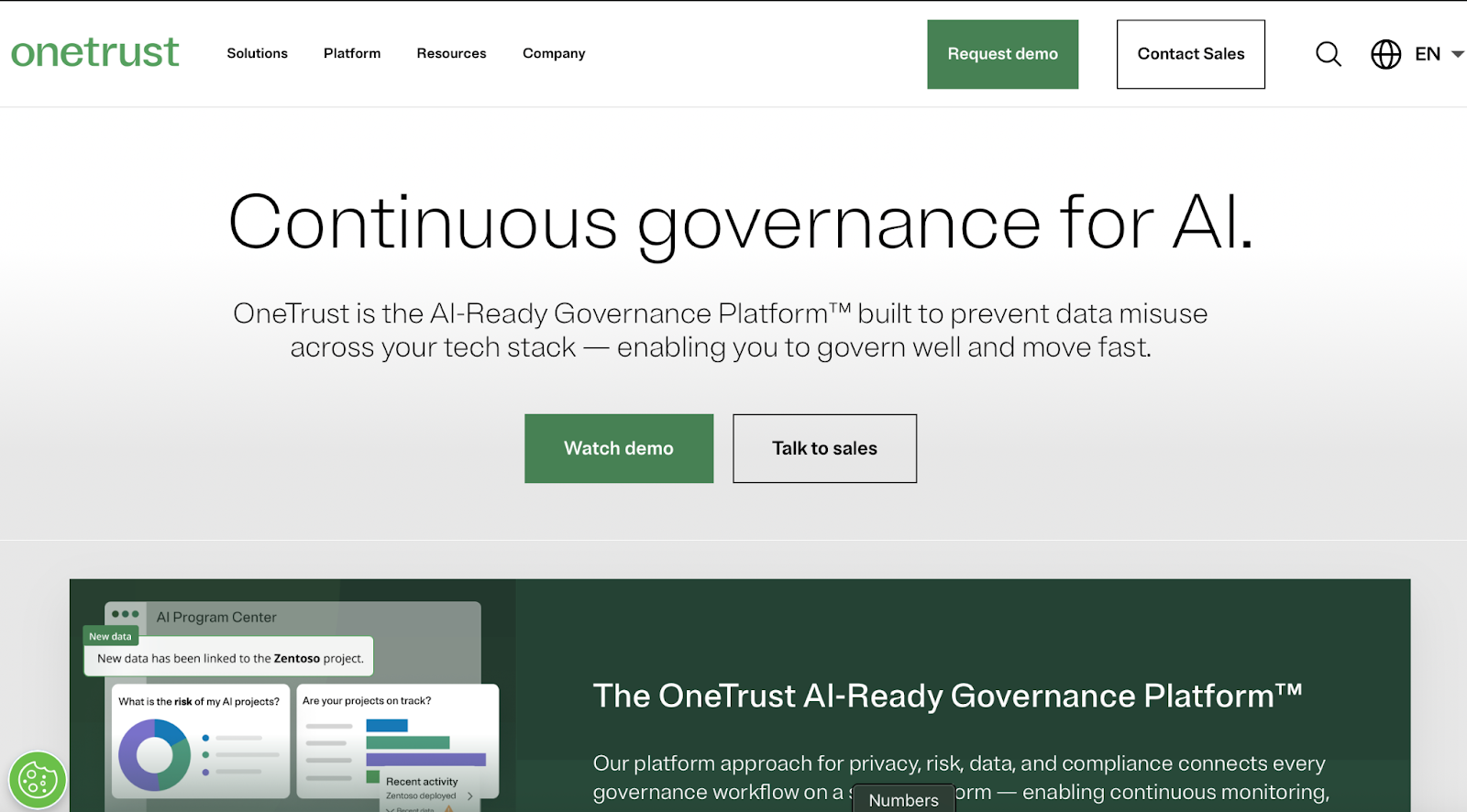
OneTrust is one of the most widely used privacy and compliance platforms globally.
It offers structured vendor risk management workflows, including vendor assessments, risk scoring, and third-party lifecycle management.
The platform is designed for large enterprises managing multiple vendors across regions.
It supports detailed compliance processes and integrates vendor risk into broader governance frameworks.
However, OneTrust is primarily built around global regulations like GDPR.
This means DPDPA-specific workflows may require customization.
Implementation can also take time due to its modular structure and configuration requirements.
Large enterprises managing global compliance programs.
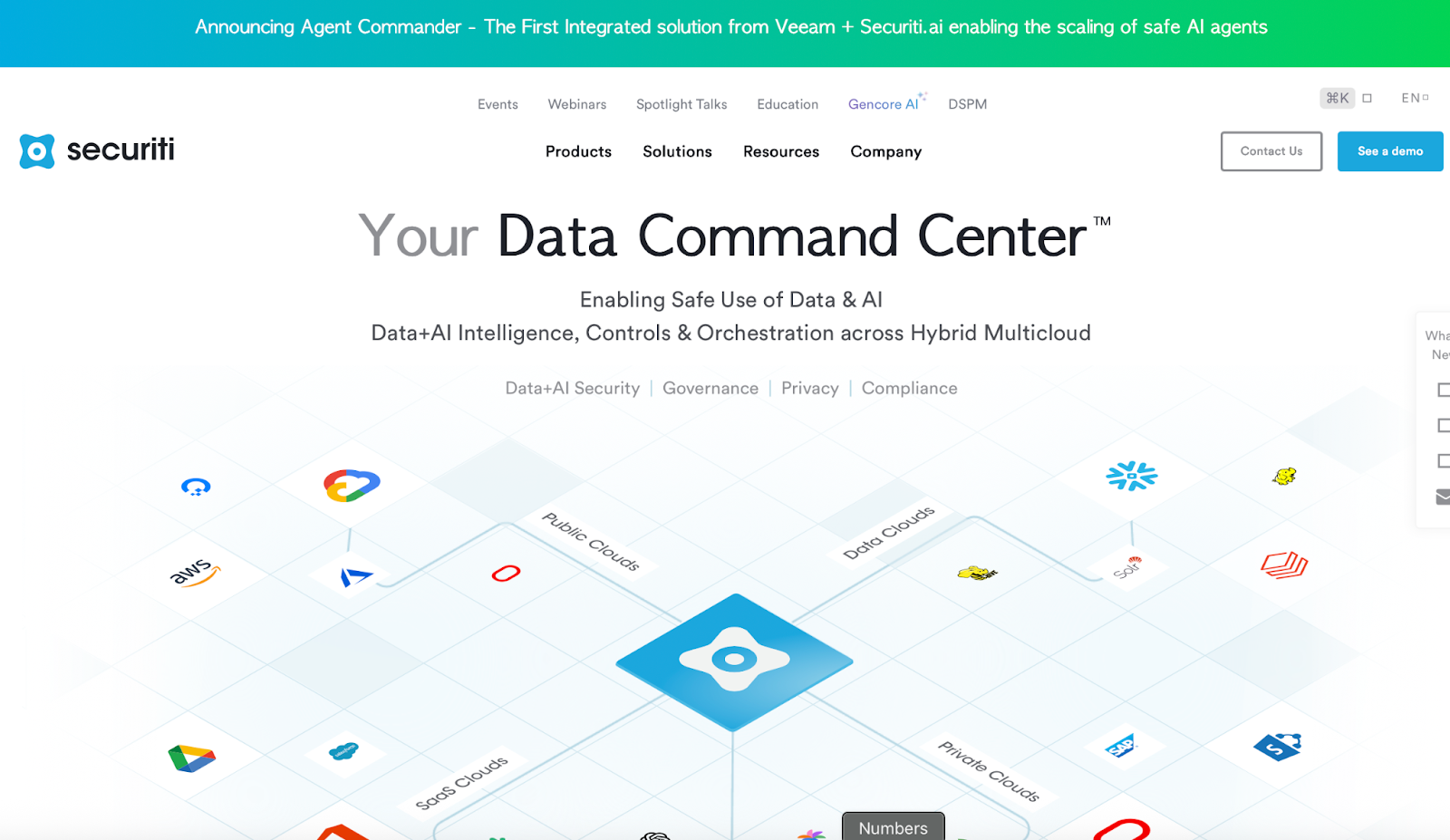
Securiti.ai focuses on AI-driven data governance and privacy automation.
Its vendor risk capabilities are integrated with data intelligence, allowing organizations to assess vendor exposure based on actual data usage.
The platform uses AI to map data flows and identify risks associated with vendors.
This helps teams understand which third parties have access to sensitive data and how that data is being processed.
It is commonly used by enterprises that require advanced automation and large-scale data visibility.
However, its approach is more global in nature, and DPDPA-specific workflows may not be as directly structured.
Pricing and implementation can also be complex, especially for mid-sized teams.
Enterprises looking for AI-led data governance with vendor risk insights.
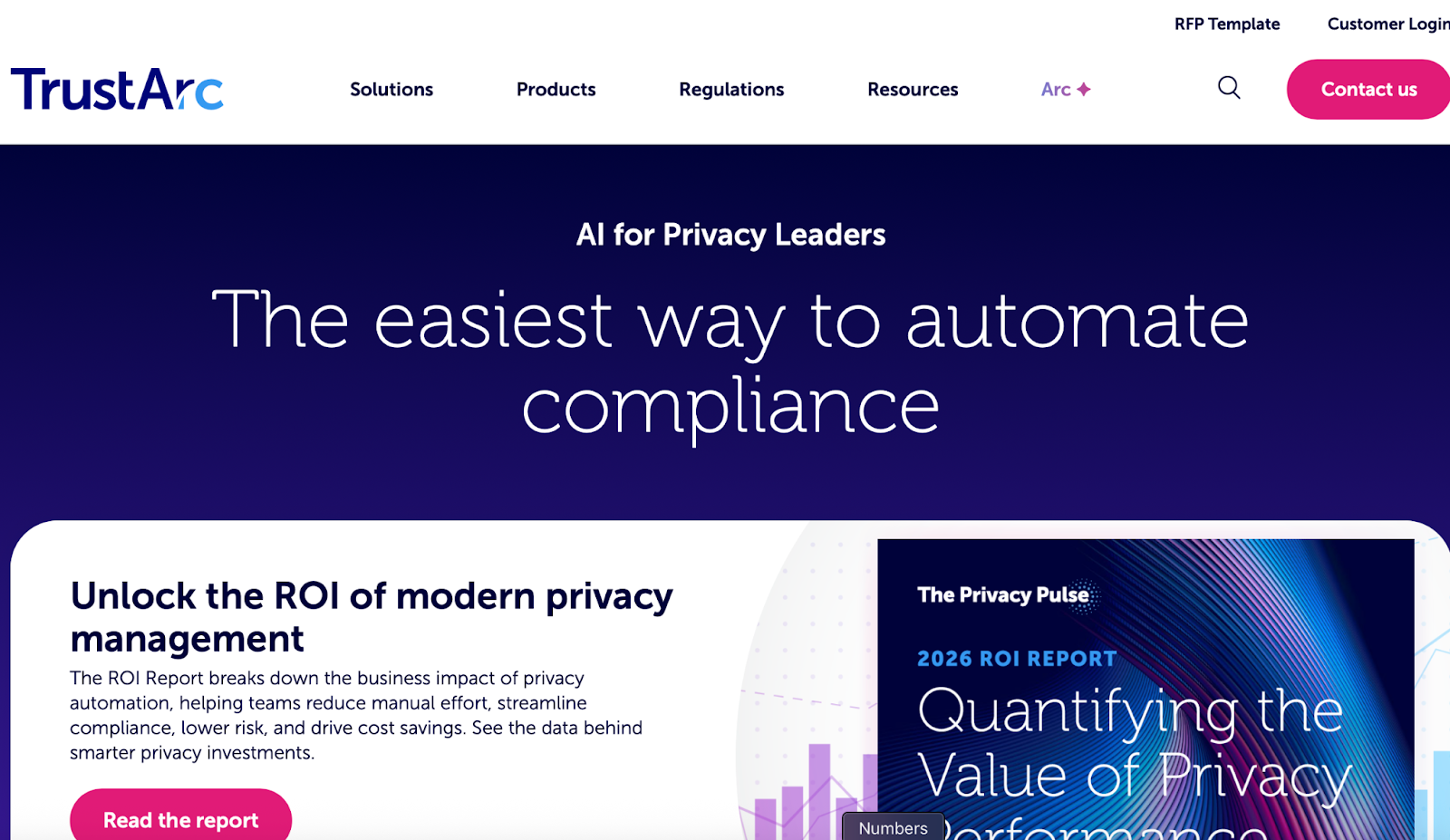
TrustArc is a long-established compliance platform with structured vendor risk and privacy management workflows.
It supports vendor assessments, risk scoring, and audit processes within a broader governance framework.
The platform is often used by organizations that prefer traditional compliance systems with detailed controls and documentation.
It provides strong audit capabilities, which can be useful during regulatory reviews.
However, customization can take time, and implementation tends to be heavier compared to newer tools.
Like other global platforms, it is not specifically designed around DPDPA, so teams may need to adapt workflows.
Organizations with traditional compliance and audit-focused workflows.
BigID is primarily known for its data discovery and classification capabilities.
It helps organizations identify where sensitive data exists and which vendors have access to it.
Instead of focusing only on vendor workflows, BigID approaches vendor risk through data visibility.
Teams can map data across systems and understand vendor exposure based on actual data usage.
This makes it useful for organizations dealing with large volumes of structured and unstructured data.
However, it is not a dedicated vendor risk management platform, so some VRM workflows may need to be handled separately.
Organizations prioritizing data discovery and mapping over standalone VRM.
IDfy’s Privy platform focuses on privacy and compliance within the Indian regulatory context.
It offers vendor risk management along with broader governance features such as consent, DPIA, and audit workflows.
The platform is aligned with Indian compliance requirements, which makes it relevant for companies operating primarily within India.
Vendor risk workflows are integrated into the overall compliance structure, allowing teams to manage third-party risks alongside other obligations.
It is typically used by enterprises that require structured compliance systems with local regulatory alignment.
Indian enterprises looking for compliance platforms aligned with local regulations.
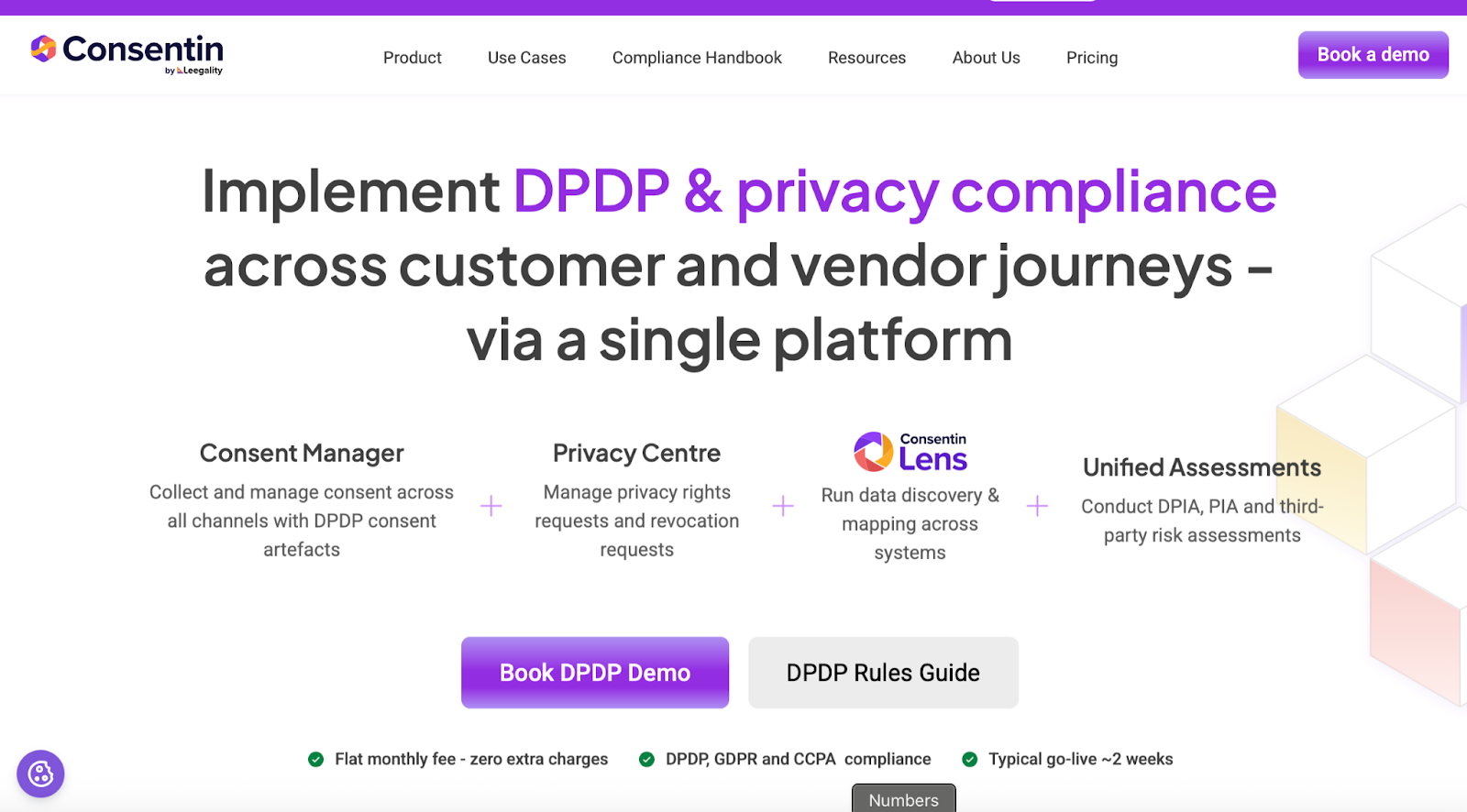
Consentin is primarily focused on consent management but also offers basic vendor risk capabilities.
It is often used by teams that need to manage user consent while maintaining simple compliance workflows.
Vendor risk features are available but not as advanced as full-stack compliance platforms.
This makes it more suitable for organizations with simpler requirements or smaller vendor ecosystems.
The platform is easier to adopt compared to enterprise tools, especially for teams starting their compliance journey.
Teams looking for basic compliance with a focus on consent and simple vendor tracking.
If your priority is global privacy governance and large-scale compliance, tools like OneTrust or TrustArc are commonly evaluated.
If the focus is on AI-driven data intelligence and automated risk insights, Securiti.ai may be relevant.
If your main need is deep data discovery and understanding vendor data exposure, BigID is often considered.
If you want a simpler setup for mid-sized teams with basic compliance workflows, Consentin can be easier to adopt.
If your organization prefers India-focused compliance with enterprise-grade workflows, IDfy (Privy) may be a suitable option.
If your priority is managing vendor risk as part of a complete DPDPA workflow (including DPIA, consent, and governance), platforms like Redacto are designed around Indian regulatory requirements and can be easier to deploy and manage.
Enter your email to get a custom plan & stack recommendation for your business
Please check your mailbox in 5 minutes

Choosing the right vendor risk management software can directly impact how effectively you meet DPDPA requirements.
Different tools solve different parts of the problem. Some focus on global governance, some on data discovery, and others on basic compliance workflows.
But if vendor risk is not connected with DPIA, data flows, and audits, gaps can still remain.
That’s why many teams look for platforms that bring these workflows into one system instead of managing multiple tools.
If you're evaluating options, it helps to see how vendor risk management works in real scenarios before deciding.
👉 See how Redacto handles vendor risk, DPIA, and DPDPA workflows in one place, book a 20-minute demo.