%20Redacto%20logo_New.png)


What Is Data Minimization, And How Does It Cut Compliance Costs



In today's data-driven world, every click and transaction generates valuable information. For years, organizations operated under the mindset that more data equals better insights. However, with evolving privacy regulations like India's Digital Personal Data Protection (DPDP) Act, GDPR, and CCPA, a fundamental shift is underway from data maximization to strategic data minimization.
This transformation isn't just about regulatory compliance. It's about building sustainable, cost-effective privacy strategies. Redacto's AI-powered platform helps organizations implement automated data discovery, consent management, and comprehensive privacy governance to make data minimization practical and scalable.
What Is Data Minimization? (Simple Definition for Businesses)

Data minimization is the practice of limiting the collection and use of personal data to what is strictly necessary for a defined purpose. Under GDPR Article 5(1)(c), personal data must be "adequate, relevant and limited to what is necessary in relation to the purposes for which they are processed".The California Privacy Rights Act (CPRA) contains the first explicit data minimization requirement in a comprehensive U.S. state consumer privacy law, while India's DPDP Act follows similar principles.
This principle operates on a simple yet powerful premise: the less data an organization has, the fewer opportunities for misuse.
Why Data Minimization Matters for Cost and Compliance
Modern enterprises face mounting pressure from multiple directions. European regulators issued approximately €1.2 billion in GDPR fines, including a landmark €1.2 billion fine against Meta in May 2023, while organizations simultaneously grapple with escalating storage costs and cybersecurity threats.
Data minimization addresses these challenges by creating a strategic framework that balances innovation with responsibility. California’s Privacy Protection Agency notes that “data minimization is a foundational principle in the CCPA.
For organizations operating in India, the DPDP Act's implementation timeline makes data minimization particularly urgent. With phased implementation leading toward full enforcement by May 13, 2027, businesses have a window to establish privacy governance frameworks.
Key Benefits of Data Minimization for Organizations
Privacy Cost Reduction Through Reduced Data Exposure
Data minimization cuts down the risk and potential damage from exposure. Organizations practicing data minimization create smaller attack surfaces for cybercriminals.
Consider the financial impact: Equifax paid up to $425 million in consumer restitution as part of a $700 million settlement over the 2017 data breach. Data minimization practices would involve significantly less sensitive information.
Lower Compliance and Regulatory Management Costs
Data minimization simplifies regulatory compliance efforts. Redacto's ConsentFlow module helps organizations implement this approach, ensuring consent mechanisms remain user-friendly and regulation-compliant.
Reduced Breach Risk and Incident Response Expenses
IBM's 2024 Cost of a Data Breach Report shows the average cost in the U.S. reached $9.36 million. Data minimization significantly cuts these costs.
How Data Minimization Delivers Measurable Cost Savings
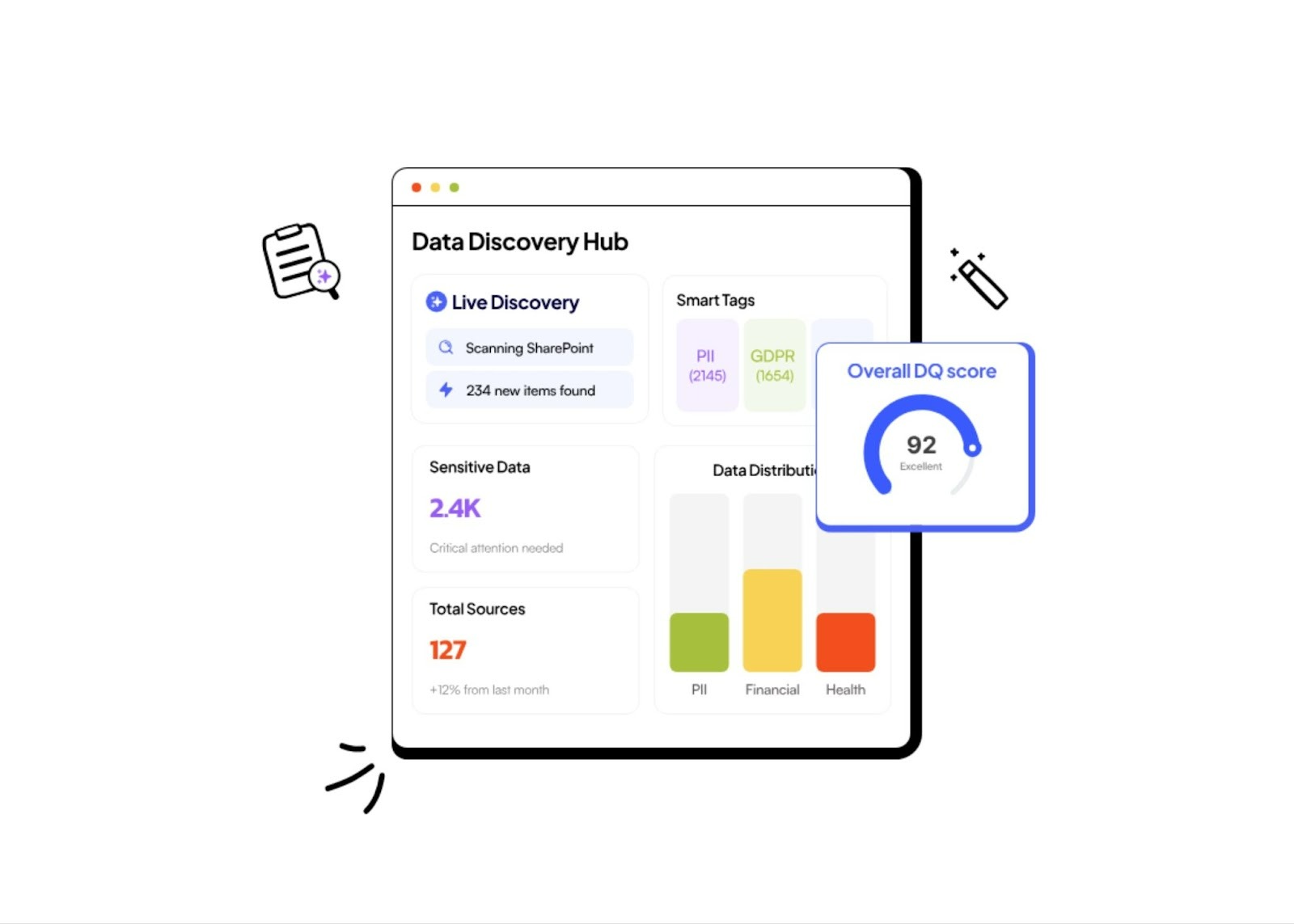
UK companies spend approximately £213,000 annually to store and manage data. Data minimization reduces these costs by decreasing storage requirements. Organizations report lower storage costs and faster data processing.
Redacto's VendorShield module helps ensure partners maintain data minimization standards.
Core Principles Behind an Effective Data Minimization Strategy
Collect Only Purpose-Driven Data: Identify specific data points needed for purposes. Redacto's TrustCentre helps organizations demonstrate what data is collected and why.
Limit Retention and Automate Deletion: Keep data only as long as necessary. Redacto's Privacy Engine enables automated data discovery for identifying datasets exceeding retention.
Restrict Access: Ensure only authorized personnel can access sensitive information.
How to Implement a Data Minimization Strategy Step by Step
Conduct a Data Inventory: Catalog what personal data you collect and why.
Map Data to Business Purpose: Every dataset should have a documented justification.
Apply Retention and Access Controls: Implement automated deletion schedules and access controls.
Data Minimization and Privacy Cost Reduction in Practice
Organizations implementing data minimization strategies report operational improvements and fewer data breaches. For payment companies and NBFCs preparing for DPDP compliance, data minimization reduces consent management complexity.
Common Challenges in Data Minimization (and How to Overcome Them)
Legacy System Integration: Many organizations struggle because legacy systems weren't designed with privacy principles.
Business Intelligence Concerns: Teams worry that collecting less data will limit capabilities. However, proper planning maintains analytics without compromising data minimization.
Redacto's platform addresses these challenges through unified privacy management across Privacy Engine, ConsentFlow, VendorShield, and TrustCentre modules.
Data Minimization Best Practices for Long-Term Cost Efficiency
Embed Privacy by Design: Follow European Data Protection Board guidelines.
Regular Data Audits: Data minimization strategies help reclaim bandwidth.
Automated Compliance Monitoring: Redacto's platform maintains standards as organizations scale.
Final Takeaway On Data Minimization as a Cost-Saving Privacy Strategy
Data minimization represents more than regulatory compliance. It's a fundamental business strategy that aligns privacy protection with operational efficiency.
For organizations preparing for India's DPDP Act, implementing data minimization practices creates a competitive advantage. Redacto's platform makes data minimization practical, helping organizations transform privacy compliance into a foundation of trust.
Ready to transform your data minimization strategy? Contact our privacy experts to discover how Redacto can help implement cost-effective privacy compliance.
Need immediate assistance? Connect with us on WhatsApp to discuss your privacy compliance requirements.