Personalized Outbound Strategy
Get The Right Outbound Strategy In Minutes
Enter your email to get a custom plan & stack recommendation for your business
It's being carefully crafted by AI
Please check your mailbox in 5 minutes
%20Redacto%20logo_New.png)



Many companies in India use Leegality to digitize agreements, forms, and regulated document workflows.
The platform is widely adopted for running eSign and eStamp processes across lending, HR, and contract operations.
However, when organizations begin preparing for DPDPA compliance, the requirements go beyond document execution.
Companies must also manage consent collection, data subject rights, data governance, and vendor risk.
Because of this, many teams evaluating privacy programs start looking for Leegality alternatives that support full compliance workflows.
In this guide, we’ll look at when Leegality works well and explore platforms that provide broader DPDPA compliance capabilities.
Leegality is a document infrastructure platform designed for regulated document workflows.
It helps organizations digitize agreements and run legally compliant document execution processes at scale.
The platform allows companies to:
Leegality also includes operational features such as:
Because of these capabilities, Leegality is commonly used for high-volume regulated document journeys.
Typical examples include:
Leegality is built primarily for document execution and contract workflows.
It helps organizations digitize agreements and run compliant document journeys.
The platform mainly focuses on:
However, DPDPA compliance programs require additional privacy governance capabilities.
Organizations must also manage areas such as:
These capabilities are typically handled by privacy compliance platforms rather than document infrastructure tools.
Because of this, companies implementing DPDPA programs often evaluate privacy management platforms alongside document execution solutions.
What Happens If You Don't Comply with DPDPA Requirements
Organizations preparing for DPDPA compliance often evaluate platforms that support privacy governance capabilities such as consent management, data subject rights automation, vendor risk assessments, and data discovery.
Some of the commonly evaluated platforms include:
Below is an overview of these platforms and the types of privacy programs they support.
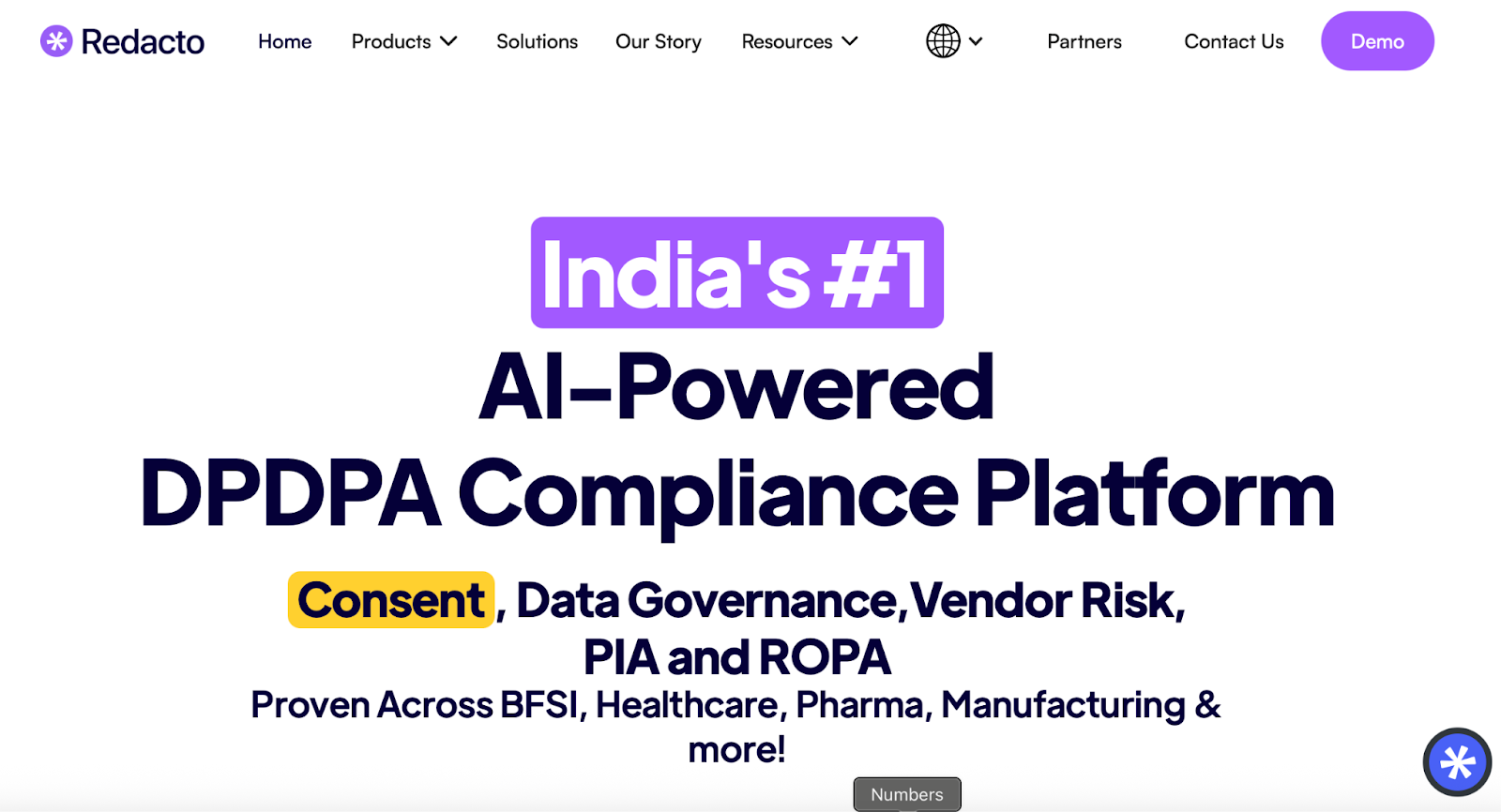
Redacto is an AI privacy and compliance platform designed around DPDPA workflows.
It helps organizations manage privacy governance processes required under Indian data protection regulations.
Instead of relying on multiple tools for consent, governance, and compliance management, the platform brings these workflows together in a unified privacy management system.
Redacto supports several privacy compliance functions, including:
Pricing typically starts around ₹35L+ annually, depending on deployment scope and integrations.
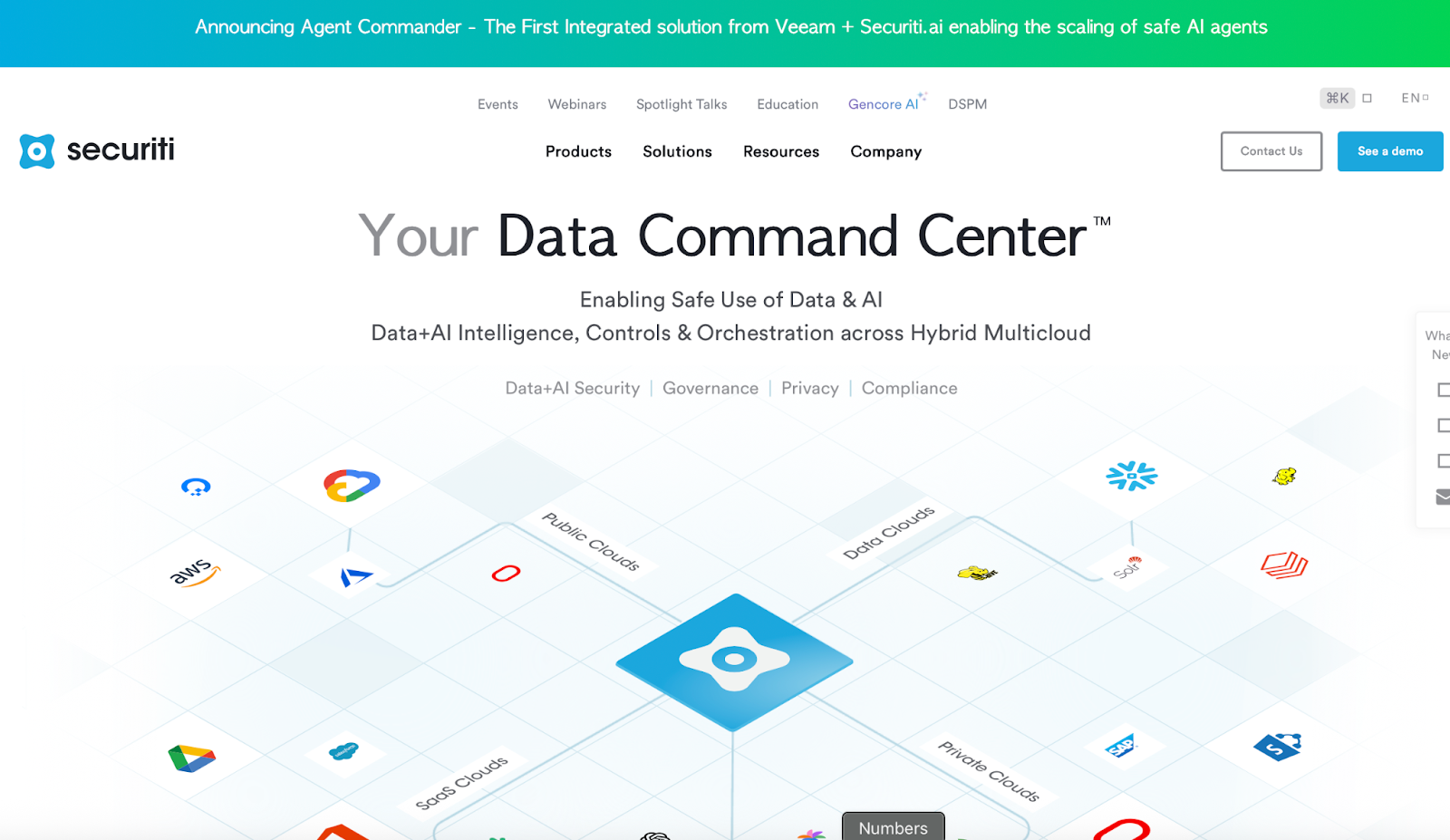
Securiti is a data privacy and security governance platform designed for organizations managing privacy compliance across multiple regulatory frameworks.
The platform focuses heavily on data intelligence and discovery, helping companies understand where personal data exists across their systems and cloud environments.
Typical capabilities include:
Securiti is often evaluated by enterprises running large privacy governance programs across several regions.
Typical cost: ₹75L+ annually
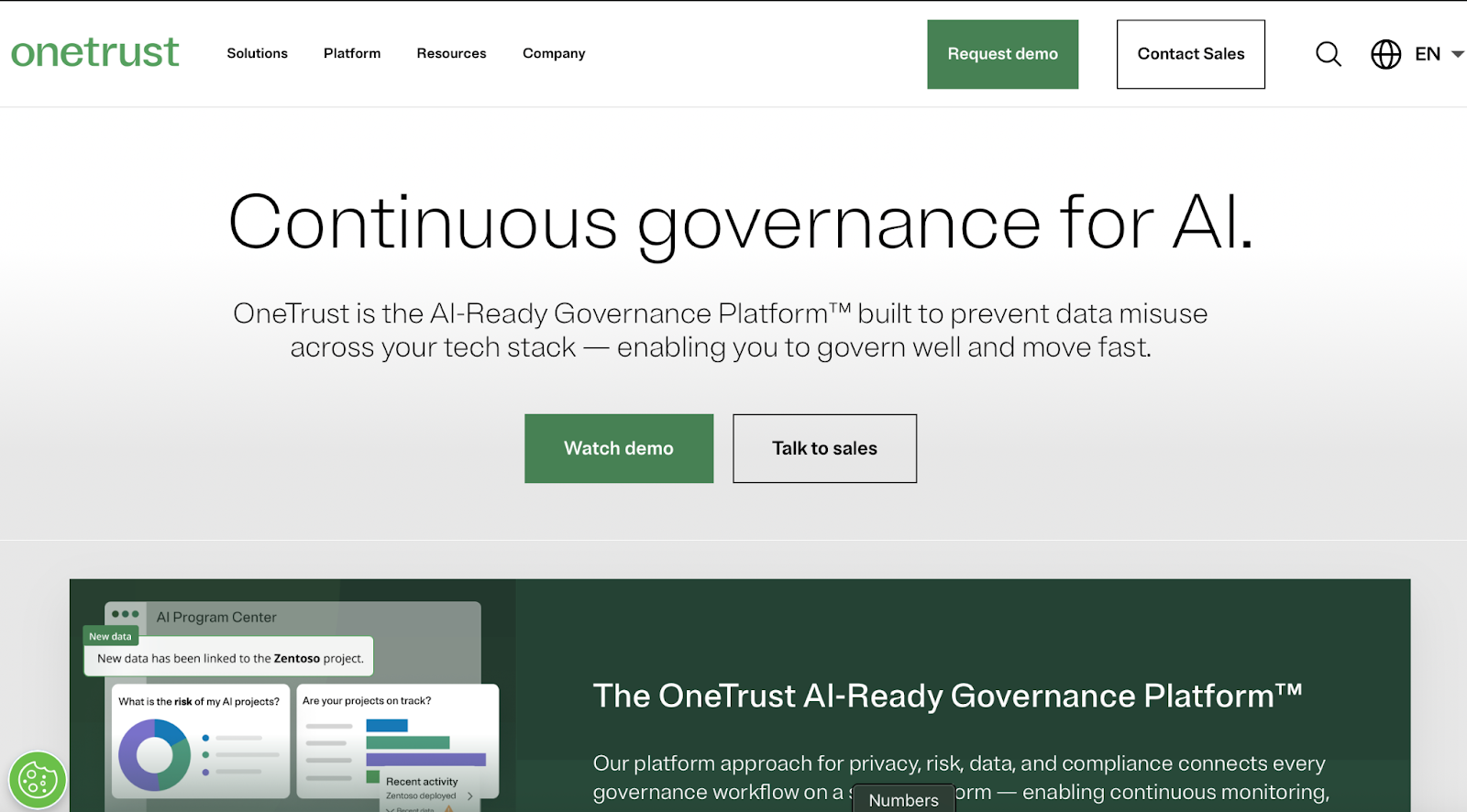
OneTrust is one of the largest and most widely adopted privacy management platforms worldwide.
The platform offers a broad suite of modules that support organizations in building and managing privacy programs across multiple regulatory environments.
Organizations typically use OneTrust for:
Because of its extensive feature set, OneTrust is commonly used by large enterprises operating across multiple jurisdictions.
Typical cost: ₹80L+ annually
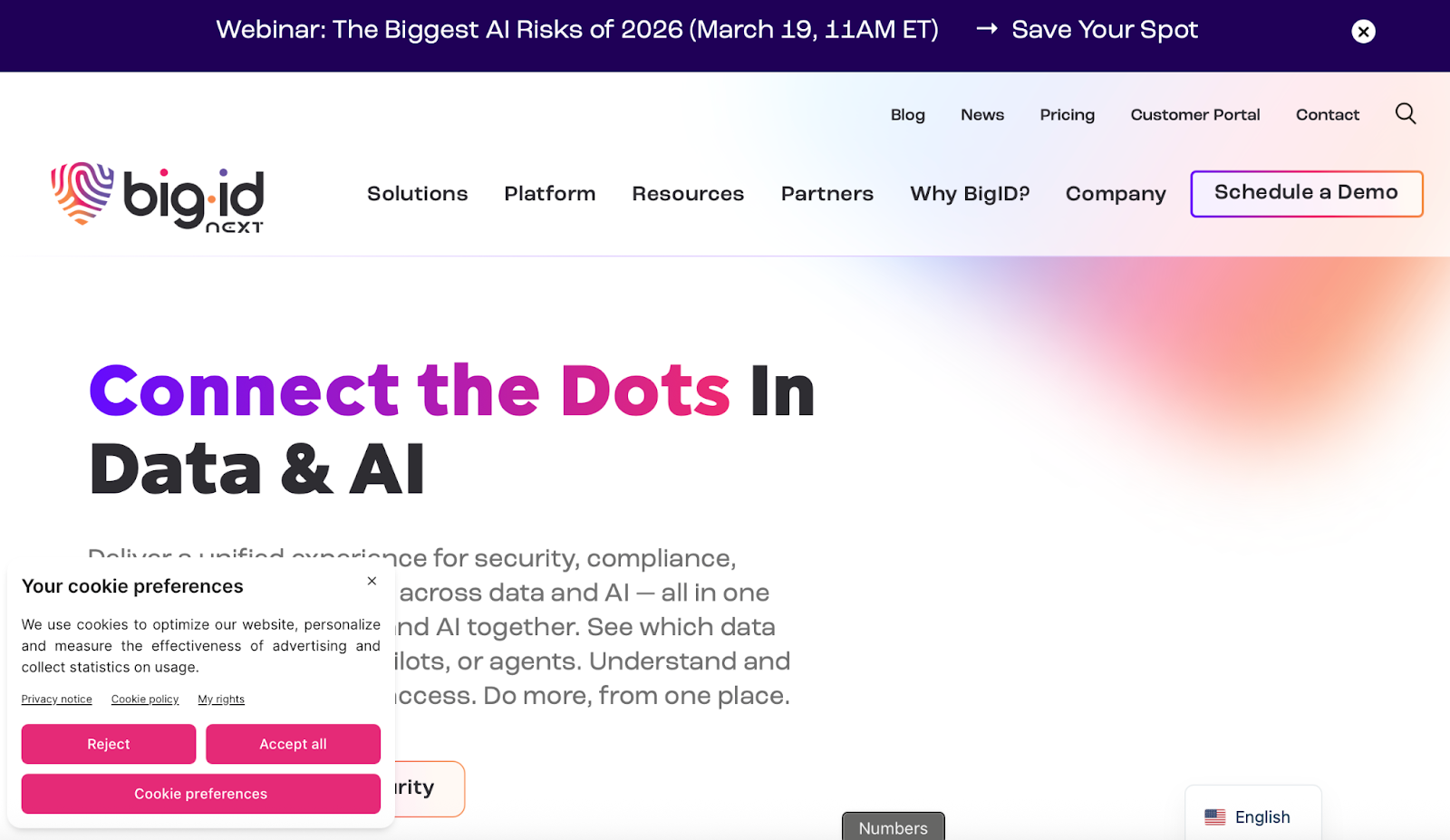
BigID focuses primarily on data discovery and data intelligence.
The platform helps organizations locate, classify, and manage sensitive data across complex data environments.
Common use cases include:
BigID is often evaluated by enterprises that manage large volumes of data across databases, cloud infrastructure, and internal systems.
Typical cost: ₹1Cr+ annually
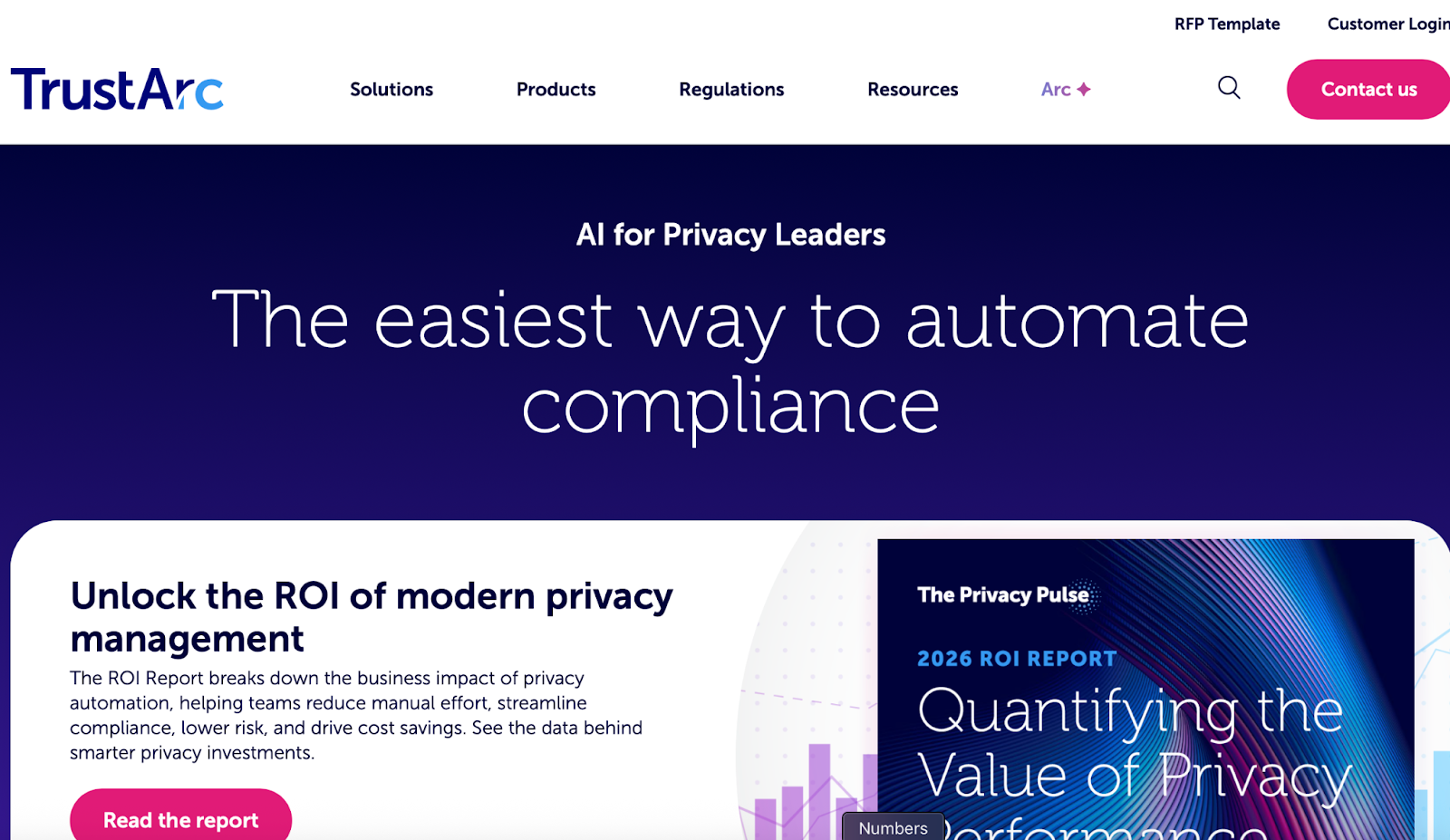
TrustArc provides a privacy governance platform designed to help organizations manage regulatory compliance programs.
The platform includes tools that support operational privacy management, including:
TrustArc is often used by organizations that must manage privacy programs across several international regulations.
Typical cost: ₹75L+ annually
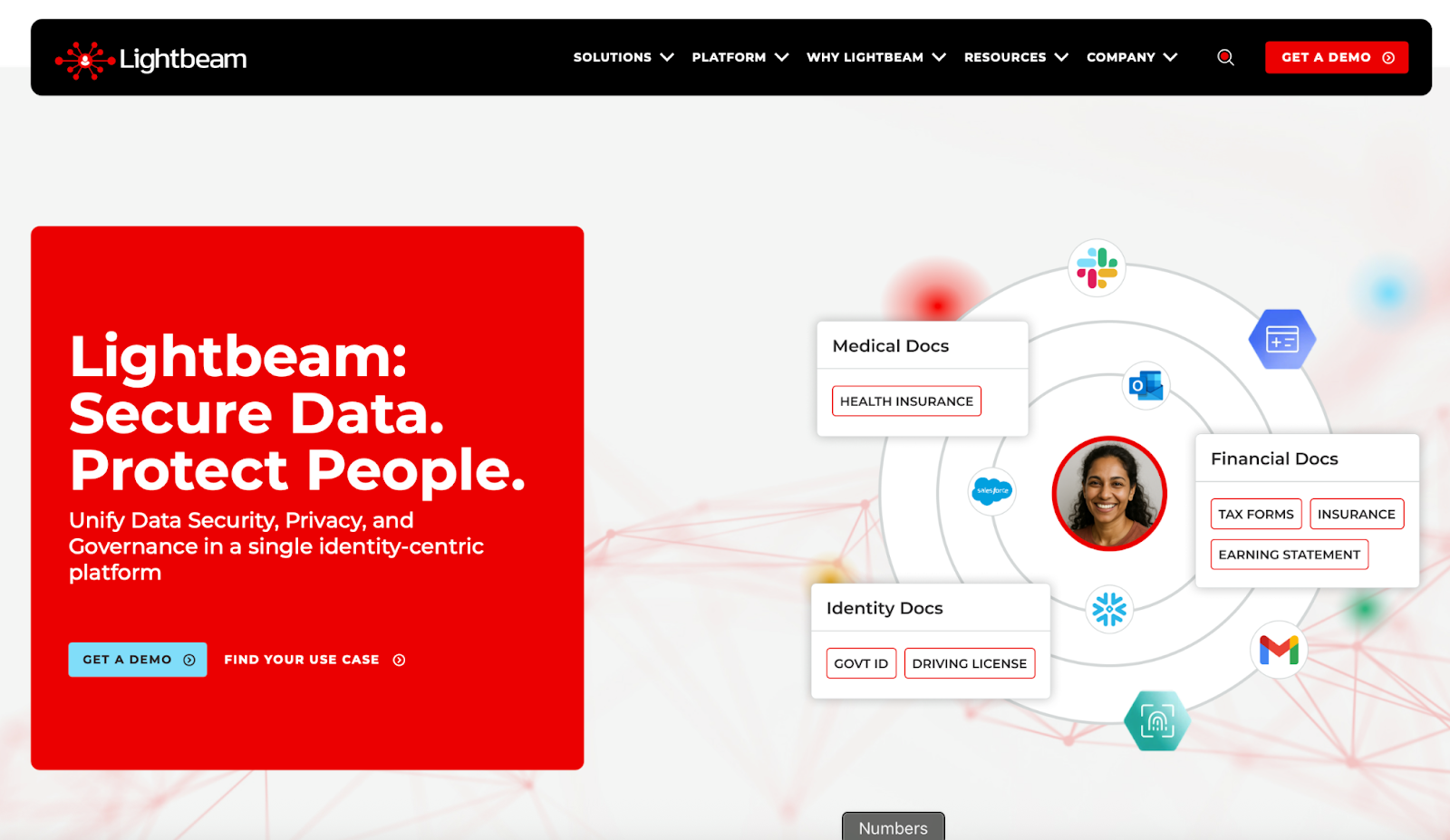
Lightbeam focuses on automating privacy compliance operations and improving visibility into data governance activities.
The platform provides tools that help organizations manage compliance workflows and understand how personal data moves across systems.
Typical capabilities include:
Organizations evaluating Lightbeam typically look for tools that simplify operational aspects of privacy compliance.
Typical cost: ₹50L+ annually
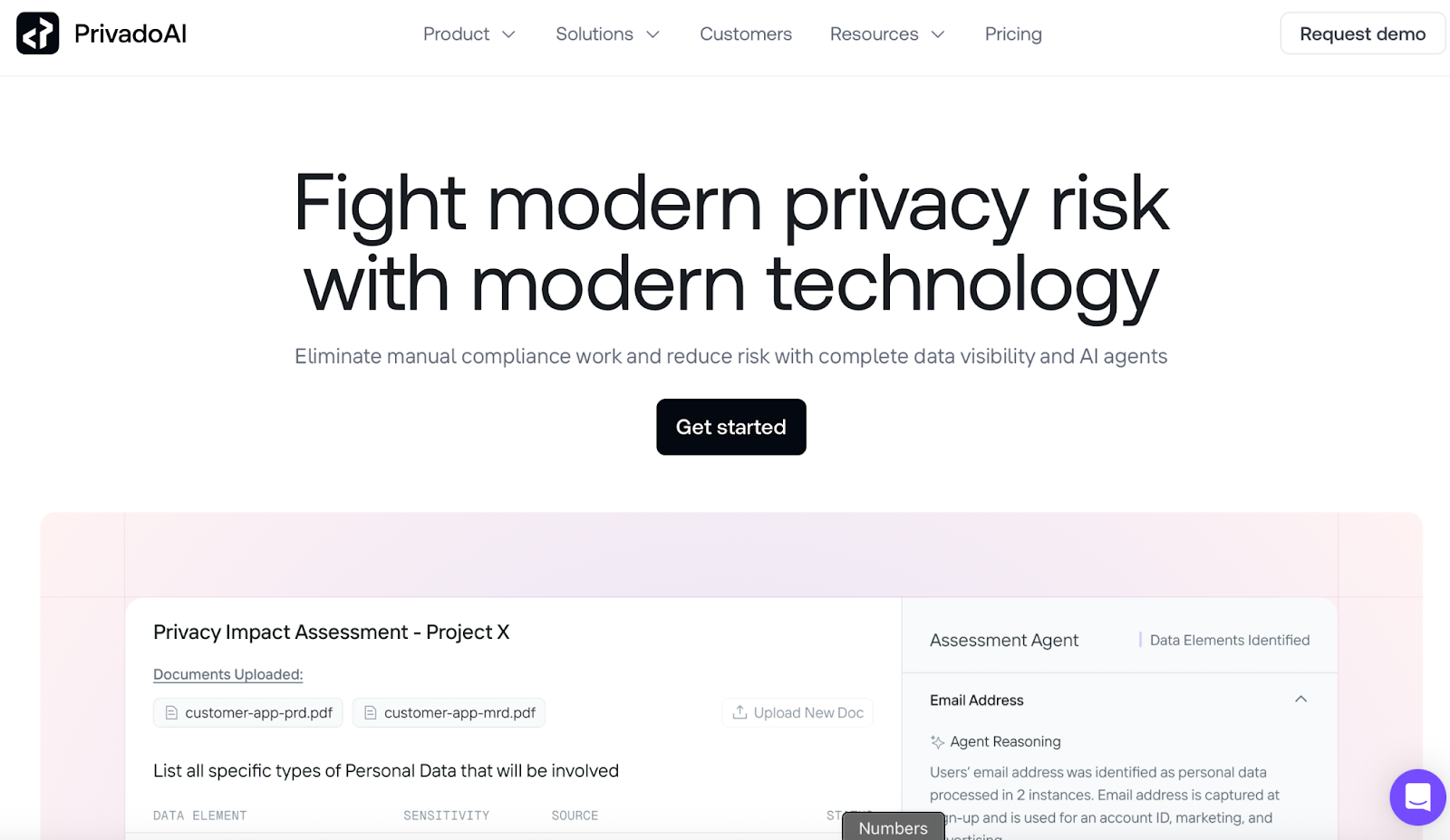
Privado is a developer-oriented privacy management platform designed to integrate with engineering workflows.
Instead of focusing only on governance processes, the platform helps teams understand how personal data flows inside applications.
Typical capabilities include:
Privado is often evaluated by organizations where engineering teams play a significant role in privacy compliance implementation.
Typical cost: ₹40L+ annually
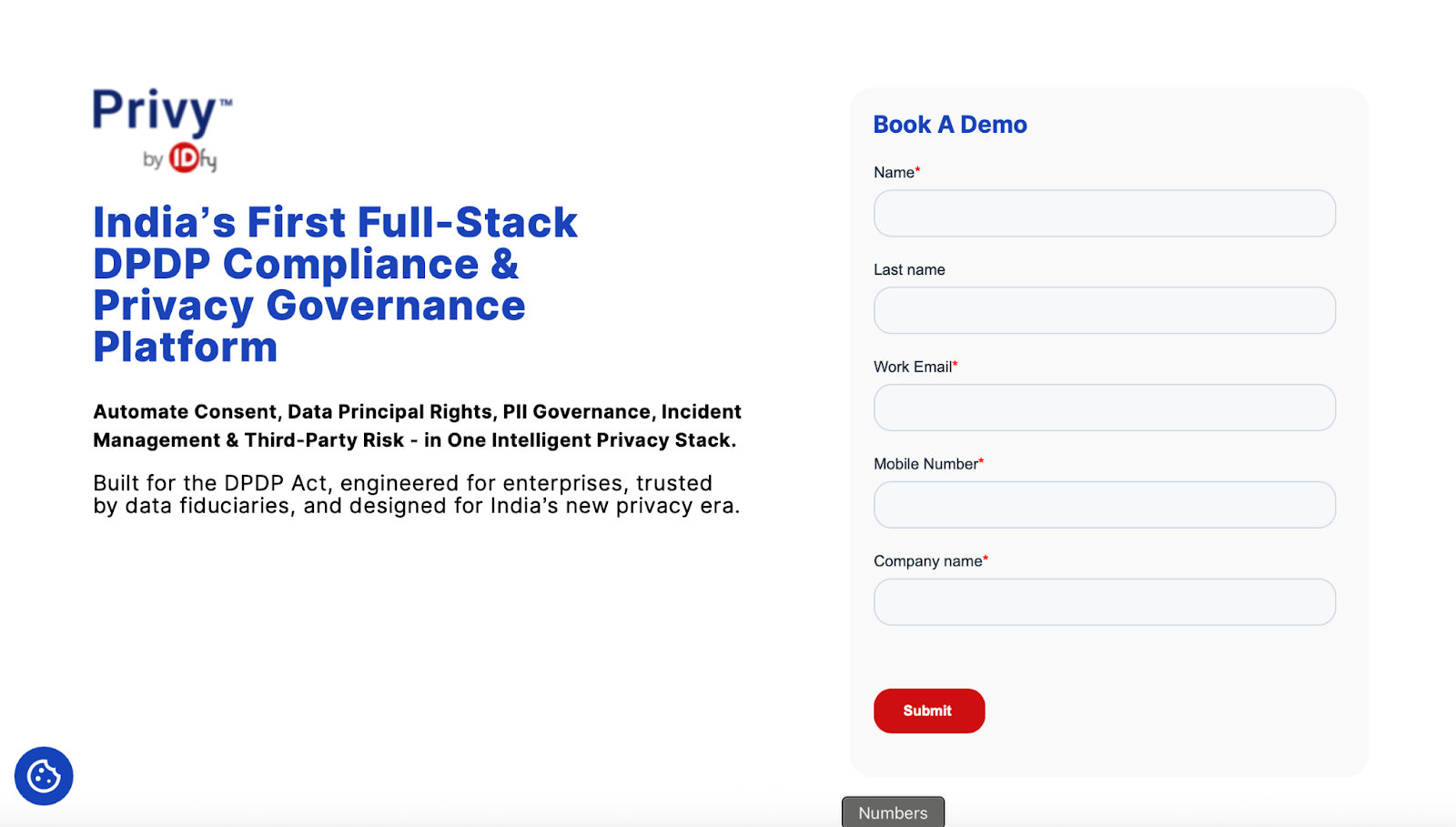
Privy, part of the IDfy product suite, provides identity verification and compliance infrastructure used by many regulated businesses in India.
The platform combines identity verification capabilities with compliance workflows used in financial services and regulated industries.
Typical capabilities include:
Because of its strong presence in regulated sectors, Privy is often used by banks, fintech companies, and financial institutions.
Typical cost: ₹35L+ annually
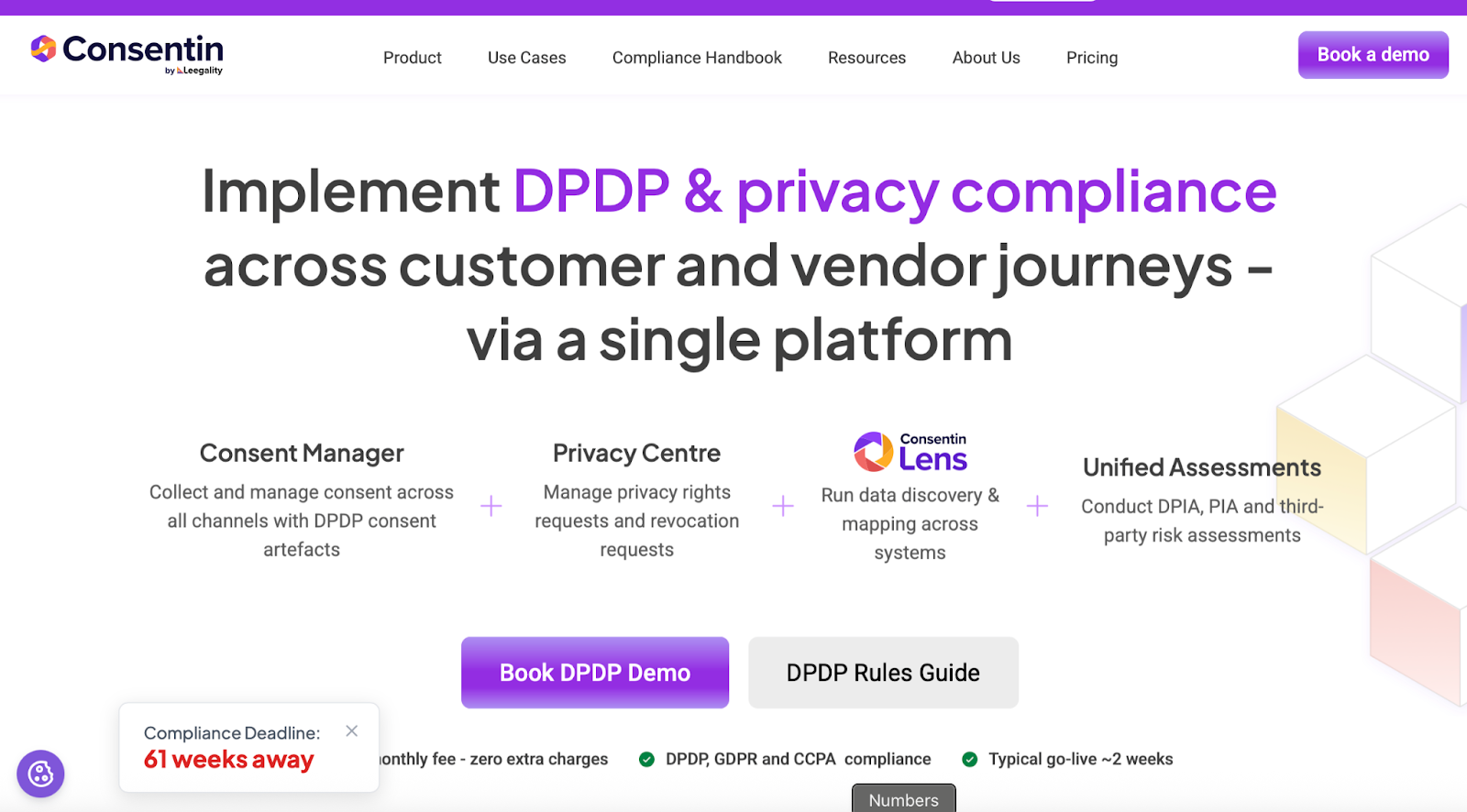
Consentin focuses primarily on consent management and privacy compliance workflows.
The platform helps organizations collect and manage user consent while maintaining compliance records required under privacy regulations.
Typical capabilities include:
Consentin is often evaluated by organizations looking for dedicated consent and compliance management systems.
Typical cost: ₹25L+ annually
Enter your email to get a custom plan & stack recommendation for your business
Please check your mailbox in 5 minutes
Leegality works well for digitizing agreements and running regulated document workflows.
But DPDPA compliance usually requires additional capabilities like consent management, data subject rights automation, and privacy governance.
If your goal is enterprise privacy governance, platforms like OneTrust, Securiti, or BigID are often evaluated.
If the focus is developer-led privacy programs, tools like Privado may be considered.
For organizations preparing specifically for DPDPA compliance in India, platforms designed around these workflows, such as Redacto, can simplify consent, governance, and compliance automation in one system.
You can book a Redacto demo to explore how the platform works and see if it fits your compliance requirements.


.jpg)