%20Redacto%20logo_New.png)


9 AI Tools for Vendor Security Assessments



Vendor security assessments have become a major bottleneck for businesses navigating today's complex digital landscape. Traditional manual processes can consume 50+ hours per vendor, creating delays that slow down business partnerships and expose organizations to prolonged security risks. With regulations like GDPR, DPDP, and CCPA demanding stringent third-party oversight, managing vendor risk incorrectly can cost companies massive fines.
This is where AI-powered vendor risk management tools help. These platforms use intelligent automation to enforce compliance requirements and streamline assessments while maintaining thorough security evaluations.
Privacy tech experts have tested AI-powered tools that help organizations navigate these challenges. Here are 9 top AI tools for vendor security assessment.
1. Redacto's AI-Powered Vendor Risk Management
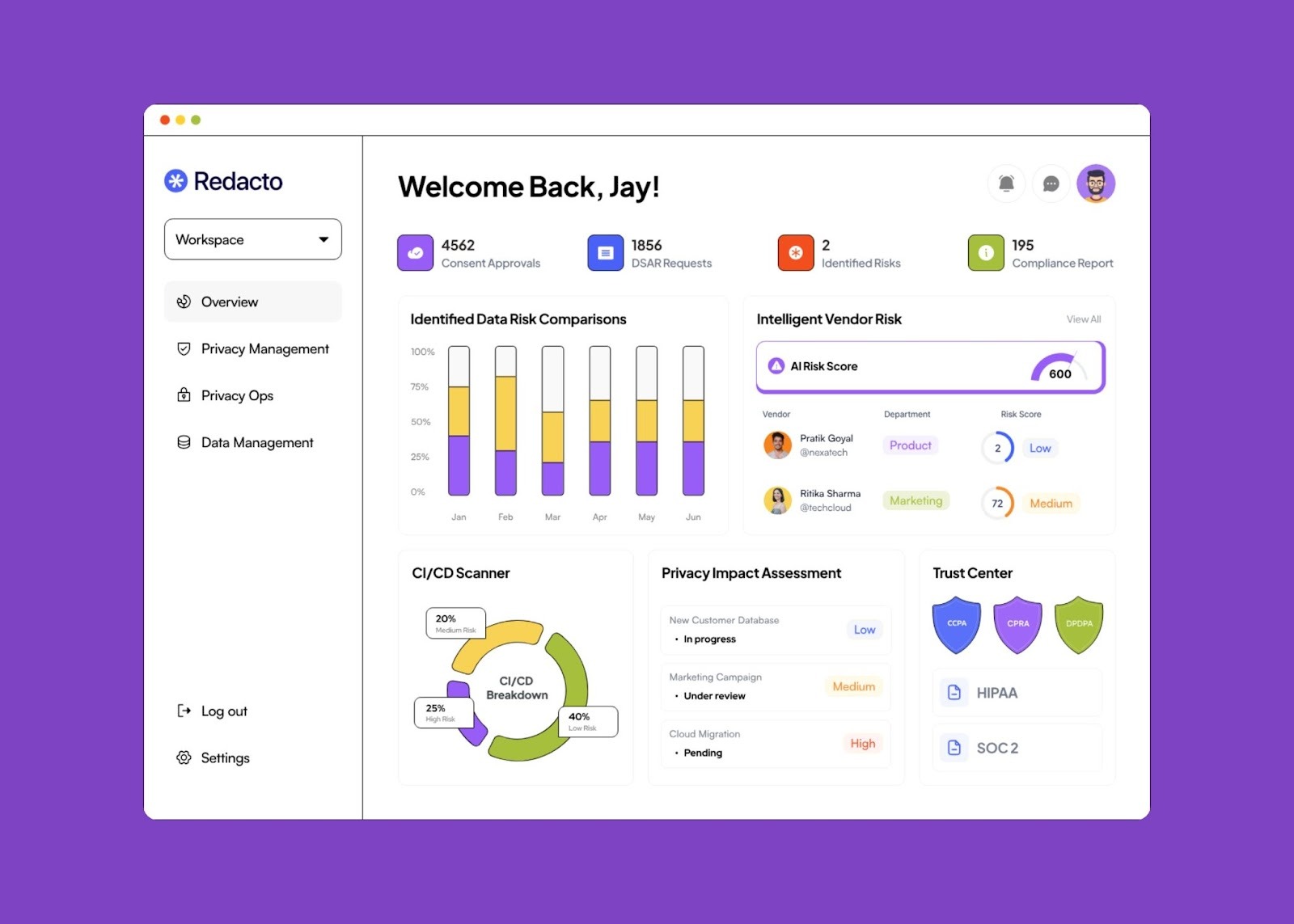
Redacto's Intelligent Vendor Risk Management platform is positioned as a reliable AI solution for vendor security assessment, specifically designed for DPDP Act compliance and global privacy regulations. Built for businesses requiring stringent data protection like BFSI, HealthTech, and manufacturing, it automates the entire vendor assessment lifecycle.
The platform excels at automated vendor questionnaires, third-party risk assessments, and continuous monitoring. Its AI-driven risk scoring eliminates manual evaluation bottlenecks while supporting cybersecurity compliance requirements.
Pros:
- Provides automated vendor discovery and continuous risk monitoring
- Delivers AI-powered risk scoring with real-time threat detection
- Integrates seamlessly with DPDP, GDPR, and CCPA compliance frameworks
Cons:
- May require initial setup time for complex enterprise systems
- Advanced features might require additional training for smaller teams
2. Vanta's Third-Party Risk Management
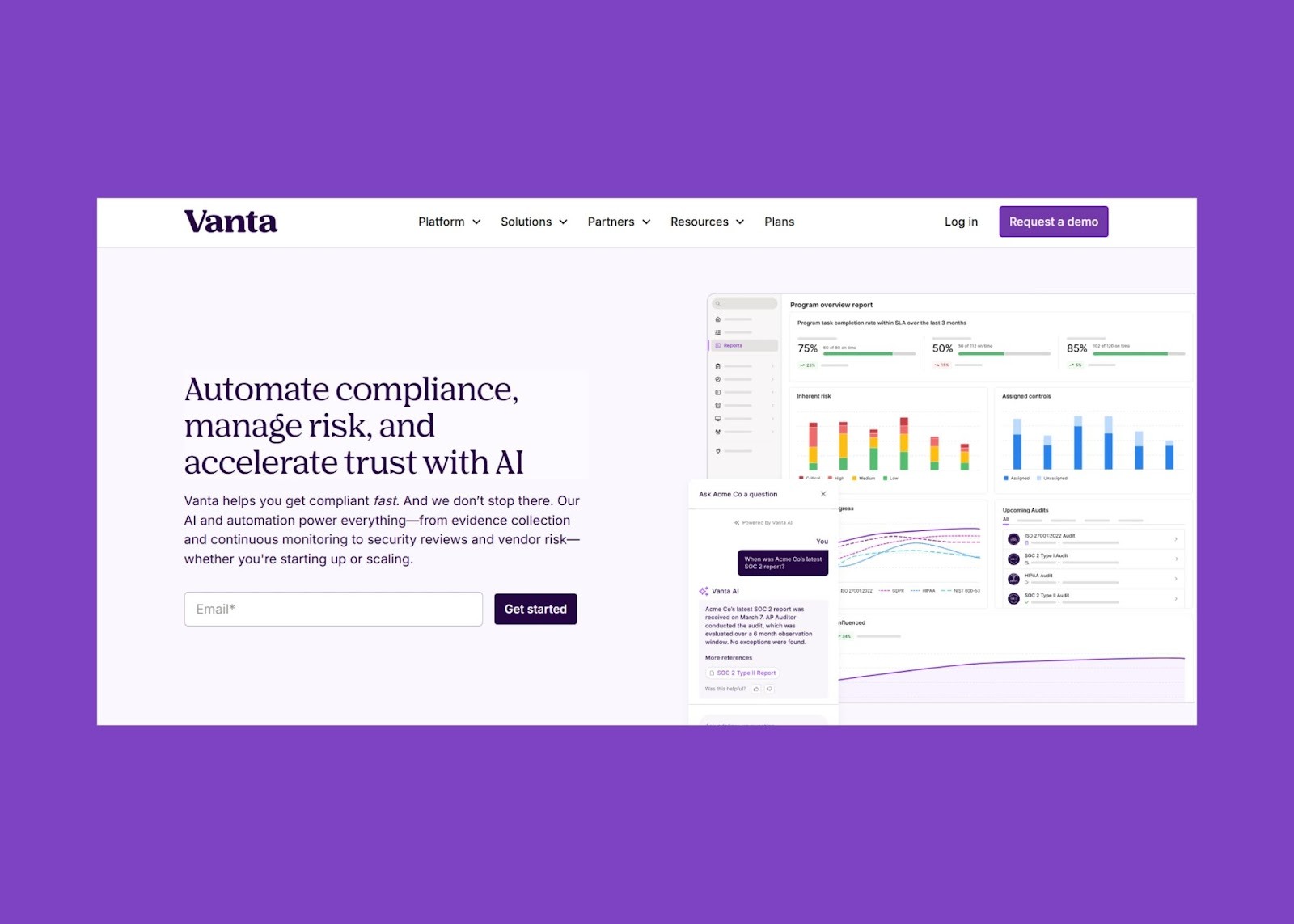
Vanta offers comprehensive third-party risk management that can reduce assessment times from 50 hours to just a few hours per vendor. Their platform includes advanced AI options for vendor security evals with automated evidence requests and AI-powered document analysis.
Pros:
- Reduces vendor assessment time by up to 90% through automation
- Offers seamless integration with existing security tools
Cons:
- Pricing can be steep for smaller organizations
3. SecurityPal's Assurance Management Platform
SecurityPal combines AI efficiency with certified human expertise, positioning itself among prominent software options for handling vendor security assessments in AI. The platform promises responses ready in 24 hours with round-the-clock human oversight.
Pros:
- Combines AI speed with human expertise for maximum accuracy
- Offers 24/7 Security Assurance Command Center support
Cons:
- Premium pricing model may not suit budget-conscious startups
4. UpGuard's AI Autofill Feature
UpGuard offers automated questionnaire completion with its AI Autofill technology. This AI vendor risk assessment solution leverages historical response repositories to generate accurate questionnaire suggestions, reducing completion time from weeks to hours.
Pros:
- Industry-leading questionnaire automation saves significant time
- Comprehensive vendor collaboration platform improves communication
Cons:
- Advanced automation features require a subscription to higher-tier plans
5. OneTrust Third-Party Management
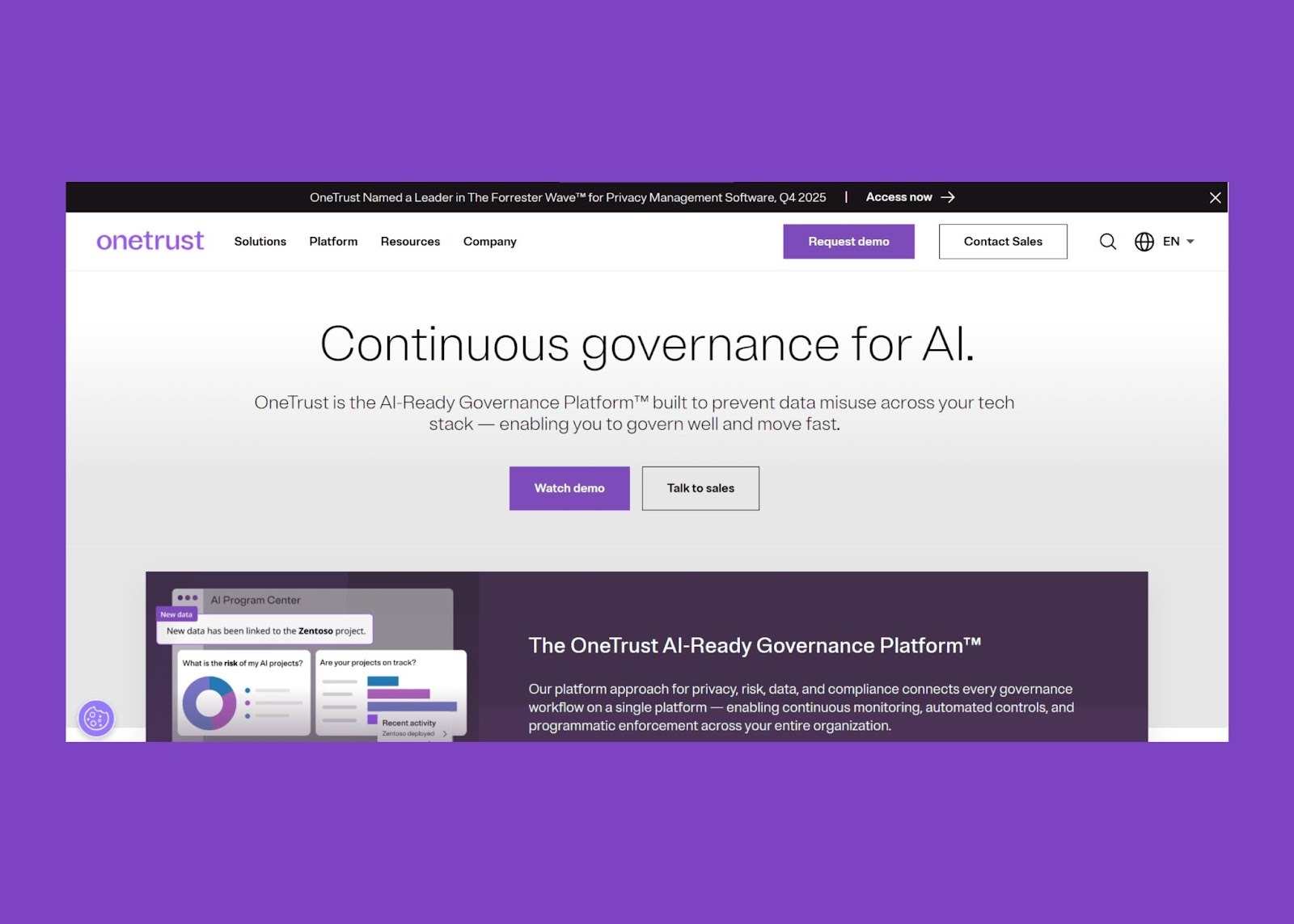
OneTrust provides enterprise-grade third-party risk management through their integrated platform. Their solution helps reduce turnaround time for vendor security assessments through automated risk scoring and unified data governance.
Pros:
- Unified platform approach connects all risk management activities
- Trusted by Fortune 500 companies for enterprise-scale deployments
Cons:
- A complex interface may overwhelm smaller organizations
6. Panorays' Continuous Security Monitoring
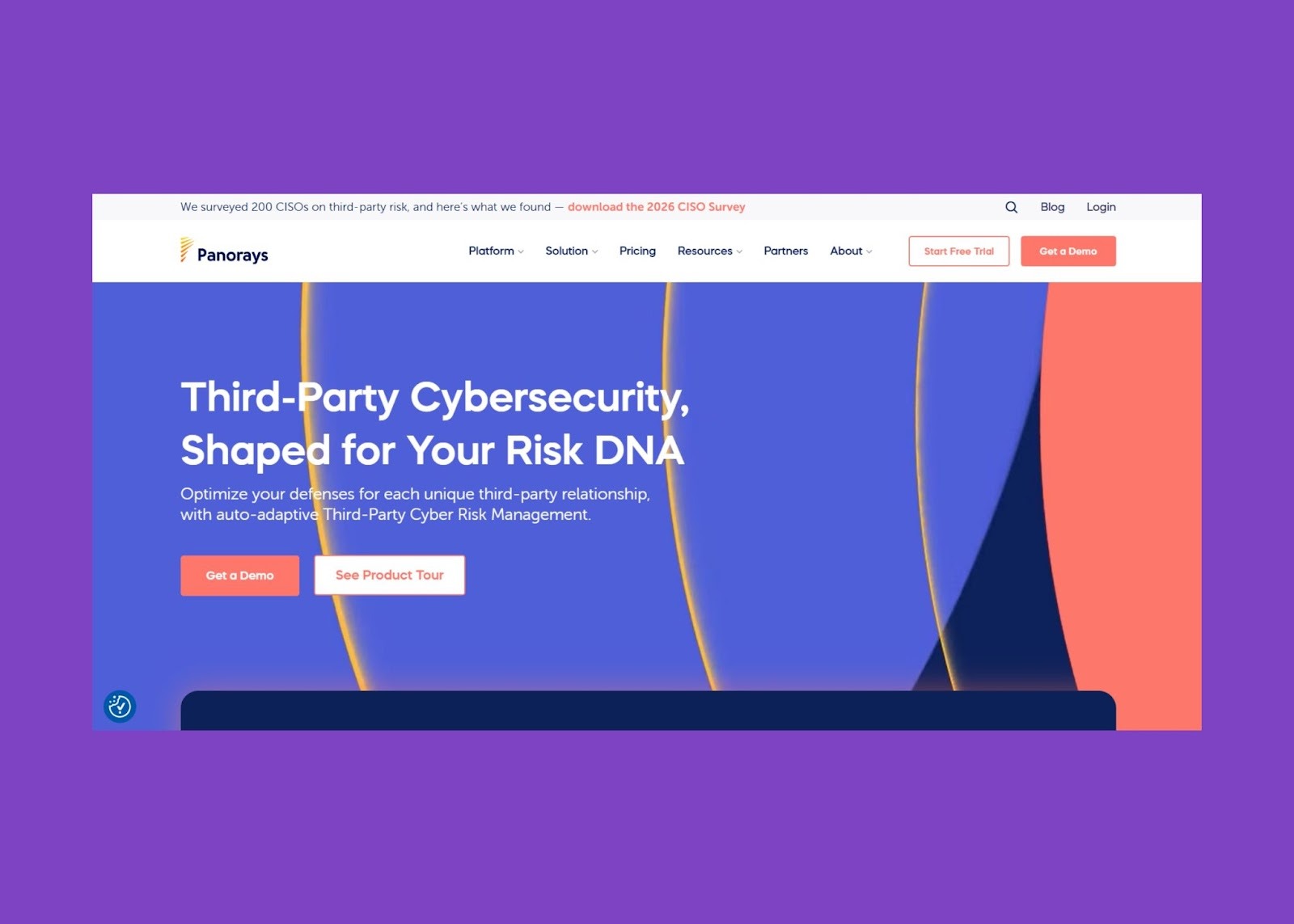
Panorays provides continuous AI-driven vendor security monitoring through automated external assessments. Their solution offers external security posture evaluation without requiring vendor cooperation.
Pros:
- Provides external security assessments without vendor cooperation
- Continuous monitoring identifies risks in real-time
Cons:
- Limited to external security posture assessment capabilities
7. Black Kite's Third-Party Risk Intelligence
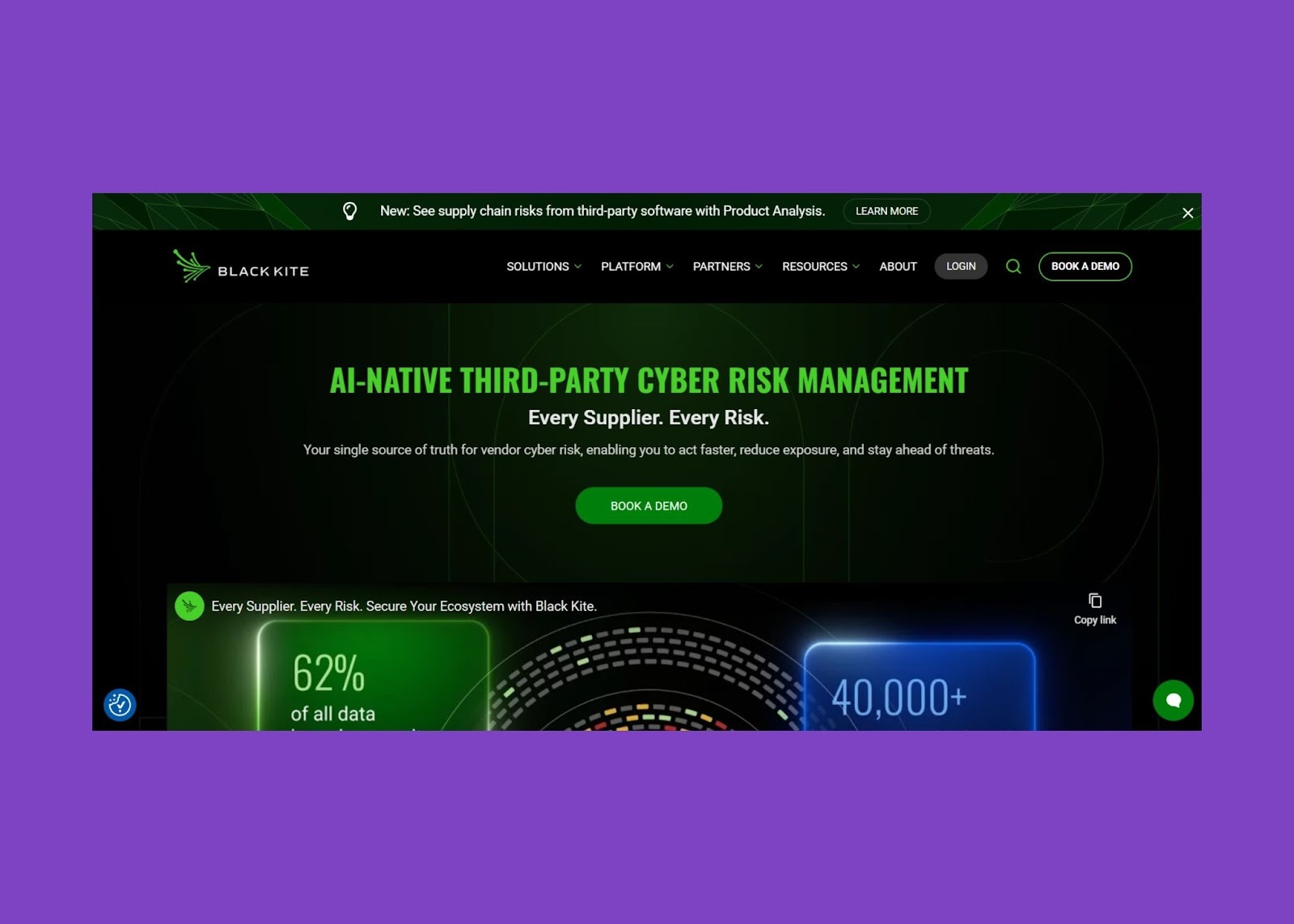
Black Kite focuses on cyber risk intelligence through AI-powered threat detection and global vendor monitoring. Their platform provides comprehensive risk intelligence for proactive risk management.
Pros:
- Advanced threat intelligence provides deep security insights
- Global monitoring capabilities cover extensive vendor networks
Cons:
- Primarily focused on cybersecurity rather than broader compliance
8. ProcessUnity's Third-Party Risk Management

ProcessUnity offers cloud-based third-party risk management with configurable automation tools. Their platform reduces manual administrative tasks through intelligent workflow automation.
Pros:
- Highly configurable platform adapts to various business needs
- User-friendly interface simplifies adoption
Cons:
- Customization flexibility may lead to longer implementation times
9. CyberGRX's Third-Party Cyber Risk Exchange
CyberGRX delivers third-party cyber risk management through its innovative risk Exchange platform. This solution provides organizations with dynamic collections of third-party data and advanced analytics.
Pros:
- The Innovative Exchange model enables efficient data sharing
- Standardized assessments improve consistency
Cons:
- Newer platforms may lack some mature features
Conclusion
Choosing the right AI-powered vendor security assessment tool is crucial for maintaining effective third-party risk management while reducing administrative overhead. Without proper automation, businesses risk extended vendor onboarding cycles.
Organizations should explore Redacto's vendor risk management platform to transform processes.
Contact the team or connect on WhatsApp to learn how AI accelerates vendor security programs.