%20Redacto%20logo_New.png)


9 Best Records of Processing Activities Softwares for Indian Enterprises 2026


You and I can build a ROPA in a spreadsheet. The problem starts one month later. A team adds a processor while the product changes the purpose, yet nobody updates the row that legal approved. By the next review, the spreadsheet describes an old process.
India’s Digital Personal Data Protection Act does not name a ROPA as a standalone record. It still makes the underlying map useful. Sections 8(4) through 8(7) of the Digital Personal Data Protection Act, 2023 connect the Data Fiduciary to processor contracts, safeguards, breach notice, and erasure. Section 10(2) adds periodic DPIAs and audits for Significant Data Fiduciaries. A current processing register helps your team trace those duties to systems and owners. It does not replace legal judgment.
The right records of processing activities software (ROPA) keeps the record connected to change. It assigns each record to an owner and asks for review when the process changes. Because the approval history stays with the record, you can see who accepted each field and when. This guide compares nine tools on that operating job.
Disclosure: We included Redacto because it is our platform; we assess it by the same ROPA criteria as the other tools.
TL;DR
- Redacto - Best for Indian enterprises connecting ROPA work to DPDPA workflows
- OneTrust - Best for global enterprises that want ROPA inside a privacy suite
- Securiti - Best for teams that want discovery and privacy operations in one graph
- BigID - Best for data estates where discovery must lead the ROPA
- TrustArc - Best for privacy teams that need assessments and advisory support
- DataGrail - Best for SaaS-heavy teams that want system-led processing records
- MineOS - Best for lean privacy teams that need guided ROPA maintenance
- Transcend - Best for engineering-led teams mapping live data systems
- Privado AI - Best for product teams that want ROPA inputs from code and documents
How I evaluated ROPA software
I judged each tool by the work required to keep a processing record true after launch. A form builder can capture a record once. A ROPA system has to detect change, route questions to an owner, preserve review history, and export evidence that another person can understand.
- Inventory model: Does it connect purposes to systems and processors?
- Change capture: Can it surface a new app or changed data flow?
- Ownership: Can a DPO assign fields and review dates to business owners?
- Evidence: Does it retain approvals and export an audit record?
- India fit: Can the workflow support DPDPA duties without copying a GDPR template?
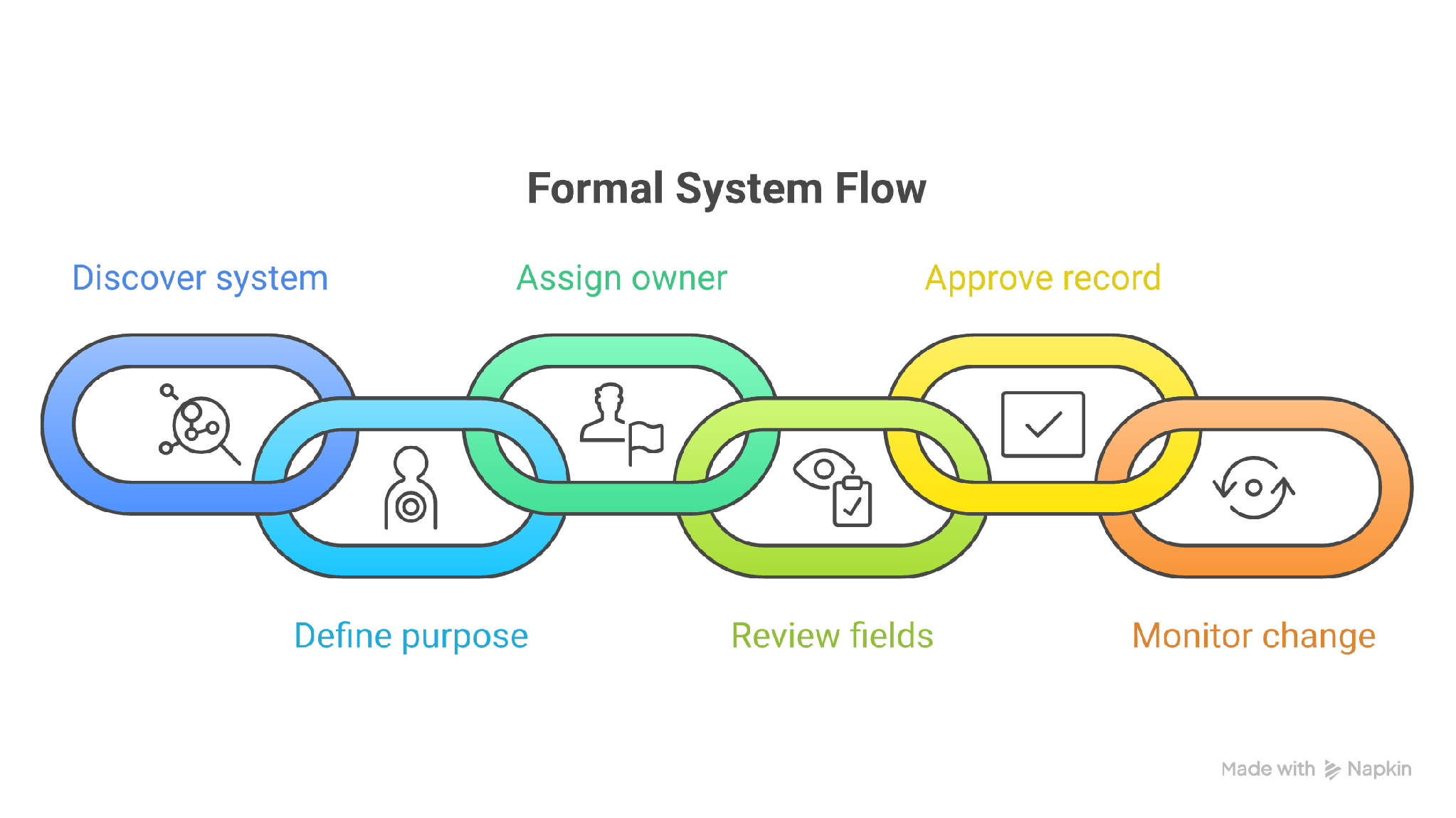
The comparison uses official statutory text and vendor-published product material. Product access was not available. Price figures come from public list prices or reported buyer benchmarks where vendors do not publish a ROPA price.
ROPA software comparison
Pricing checked on 2026-08-27. Reported benchmarks describe contracts with different modules. Use them to set a budget range rather than compare identical packages.
1. Redacto
Redacto fits an Indian privacy team that wants the processing register to feed other DPDPA work. Its AI-Driven Data Discovery & Mapping can identify where personal data sits. The team can connect that map to PIA records, vendor reviews, consent activity, and Audit & Reporting.
That link matters because the Digital Personal Data Protection Act, 2023 does not prescribe a GDPR Article 30 register. Your schema must reflect Indian duties. A processing activity should still show its purpose, processor, safeguards, retention trigger, and accountable owner. Legal and the DPO decide the final interpretation.
Features
- AI-Driven Data Discovery & Mapping connects systems to data records.
- Privacy Impact Assessment Automation creates a review path.
- Vendor Risk Management links processors to owner checks.
- Audit & Reporting keeps evidence available for review.
- The CI/CD Privacy Scanner can surface product change upstream.
- Anonymization & Pseudonymization supports treatment decisions.
Pricing
- License-based: Contact Redacto for scope and price; there is no listed free plan or trial.
- Buyers need to confirm modules and implementation in the quote.
Pros
- The product starts with DPDPA operations in India.
- Current capability names match the compliance workflow.
- Data mapping can feed PIA and vendor records.
- Audit records sit beside the operating process.
- BFSI and healthcare teams get an India-first frame.
Cons
- Public pricing is not available.
- A global multi-law program may need more jurisdiction depth.
- The company has fewer public case studies than older suites.
- Buyers cannot compare a standard ROPA package online.
- Legal teams still need to define the record schema.
Summary
Choose Redacto when the processing register must support an India-first privacy program. A global company seeking years of public implementation references may prefer OneTrust. Who should not choose Redacto: a buyer that needs a mature multi-jurisdiction suite before it needs DPDPA depth.
2. OneTrust
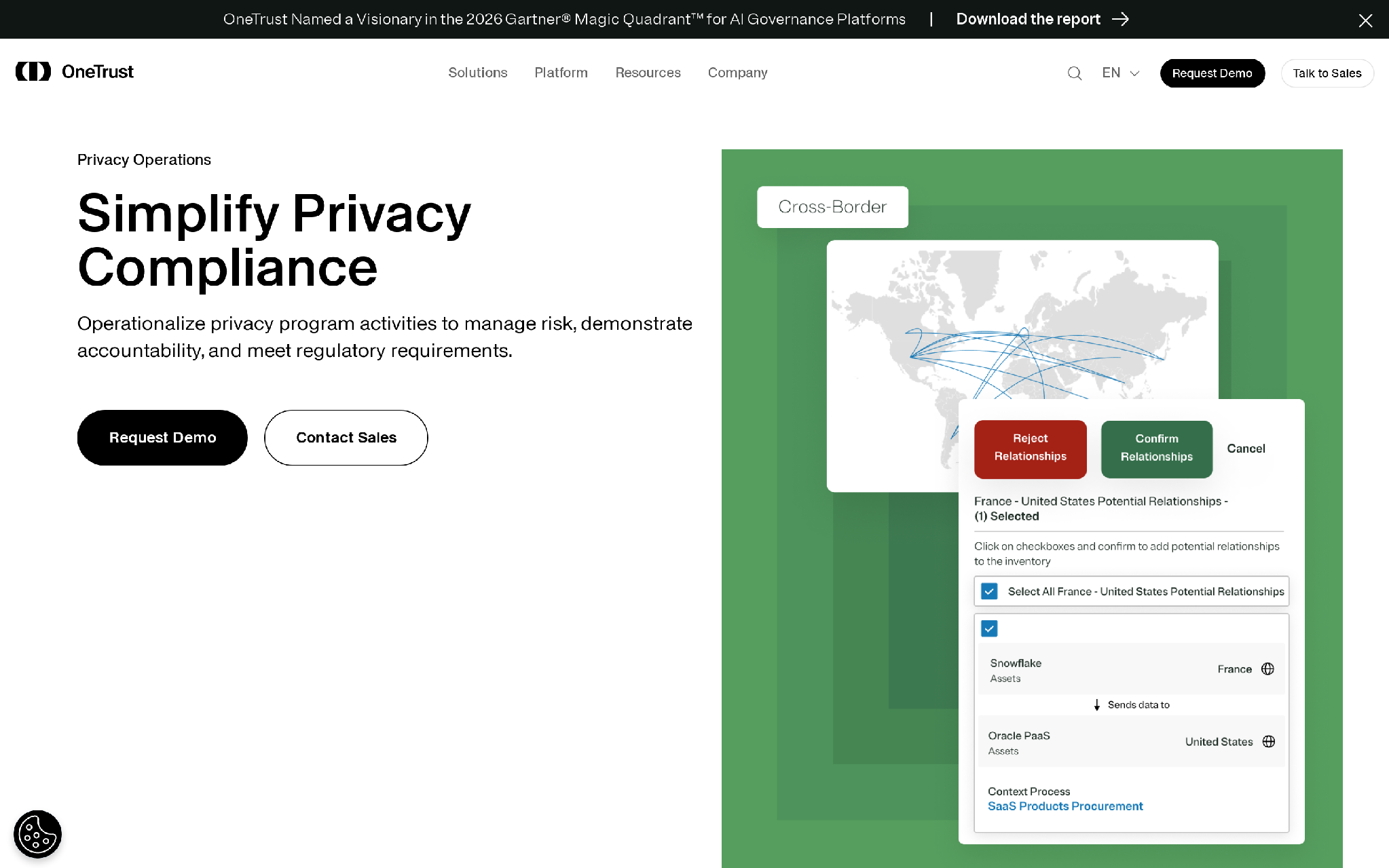
OneTrust builds ROPA work around inventory records. A privacy team can collect processing details through assessments. It relates each activity to its systems and vendors, while Data Mapping Automation maintains the wider inventory as those connections change. The same record can then support reports.
The model suits a company with many business units. Local owners answer questionnaires while the privacy office controls the schema. The implementation asks for governance work before the report becomes reliable.
Features
- Processing activity inventory uses defined attributes.
- Assessment workflows collect details from owners.
- Data mapping relates activities to systems and vendors.
- Bulk import supports an existing spreadsheet register.
- APIs expose processing activity schemas and records.
- Reports support regulator and audit requests.
Pricing
- Reported median: About $11,970 per year across buyer contracts; Privacy Automation has no listed free plan or trial.
- Inventory size and admin users affect the quote.
Pros
- The inventory model supports large business structures.
- Teams can configure activity fields and approvals.
- ROPA records connect to assessments and vendors.
- APIs support migration and reporting work.
- Global privacy teams get broad regulation coverage.
Cons
- The module set can make scope hard to control.
- Configuration needs an owner before rollout.
- Business questionnaires can still become stale.
- Implementation services may add first-year cost.
- India-first workflows need local design.
Summary
OneTrust suits a global program that wants one privacy operations system. Redacto has the clearer fit when DPDPA is the main operating frame.
3. Securiti
Securiti approaches the ROPA through a data command graph. Discovery finds relevant data across systems, then the platform relates those findings to identities and purposes. Because policies and obligations remain attached to the same graph, privacy teams can build processing records and refresh them when a source changes.
This works best when a spreadsheet fails because the data estate changes faster than interviews can track. The discovery layer produces signals. A human still confirms why the processing occurs and which rule applies.
Features
- Data discovery scans cloud and SaaS sources.
- Classification labels personal and sensitive data.
- A graph relates systems to processing context.
- Privacy assessments collect owner decisions.
- Policy workflows can trigger follow-up work.
- Reporting supports processing inventories.
Pricing
- Reported median: About $49,841 per year; the enterprise platform lists neither a free tier nor a trial.
- Modules and connected data sources shape the quote.
Pros
- Discovery gives the ROPA a data signal.
- The graph connects privacy and security context.
- Teams can use one inventory for several workflows.
- Cloud coverage suits distributed data estates.
- Policy actions can follow a classification result.
Cons
- Deployment needs access to data systems.
- Discovery cannot determine lawful purpose alone.
- The platform may exceed a small team’s needs.
- Buyers need a scoped quote to compare cost.
- DPDPA fields require local configuration.
Summary
Securiti makes sense when unknown data is the first problem. A privacy team that already trusts its inventory may find a focused ROPA tool easier to operate.
4. BigID
BigID starts with data discovery and classification. It scans data stores and builds an inventory that shows where regulated information resides. Privacy teams can turn those findings into processing activities, assign governance work, and investigate records that no longer match the live estate.
The platform fits a bank or insurer with a large data estate. Its value drops when the team only needs a register and owner reminders. Discovery can show that a system holds PAN data. Legal still records the processing purpose and retention basis.
Features
- Discovery covers structured and unstructured data.
- Classification identifies personal data types.
- Data catalogs record systems and ownership.
- Risk views can prioritize review work.
- Governance workflows assign remediation.
- Reporting supports privacy inventories.
Pricing
- Reported starting benchmark: About $120,000 per year for a mid-market deployment; the enterprise suite does not list a trial or free tier.
- Scanned sources and data volume affect cost.
Pros
- Discovery can find data outside the legal register.
- Classification supports large data estates.
- Security and privacy teams can share inventory.
- Risk signals help order review work.
- The platform can support more than ROPA.
Cons
- The reported cost is high for a register-only need.
- Deployment requires technical access and planning.
- Purpose records still need business input.
- The product has a wide scope to govern.
- India-specific workflows need configuration.
Summary
BigID wins when the chief problem is finding data at scale. MineOS or Redacto can be easier to justify when the first goal is an owned processing register.
5. TrustArc
TrustArc connects processing records to privacy assessments. Teams distribute questions to business owners, track the resulting activities, and route each record through privacy review. TrustArc also sells advisory services for teams that need help defining the program before configuring the software.
This model helps a privacy office that needs process support as well as software. It still relies on stakeholders to describe the purpose and flow correctly. Review dates and ownership matter more than the first import.
Features
- Data inventory records processing activities.
- Assessment workflows collect owner responses.
- PIA management links risk reviews to activities.
- Vendor modules track processor context.
- Privacy rights work can use the same inventory.
- Advisory services support program setup.
Pricing
- Reported starting range: About $30,000 per year for a limited module set; no trial or free tier is listed.
- Multi-module programs can reach $100,000 per year or more.
Pros
- The workflow reflects privacy team practice.
- Advisory help can support first-time programs.
- Assessments and inventory records connect.
- Buyers can add rights and vendor modules.
- Global regulation support is available.
Cons
- Public list prices are absent.
- Module costs can rise with program scope.
- Questionnaire answers can age without review rules.
- Discovery depth depends on the package.
- DPDPA operation needs an India-specific schema.
Summary
TrustArc fits a team that wants software plus privacy program support. Securiti or BigID has the edge when automated discovery drives the buying decision.
6. DataGrail
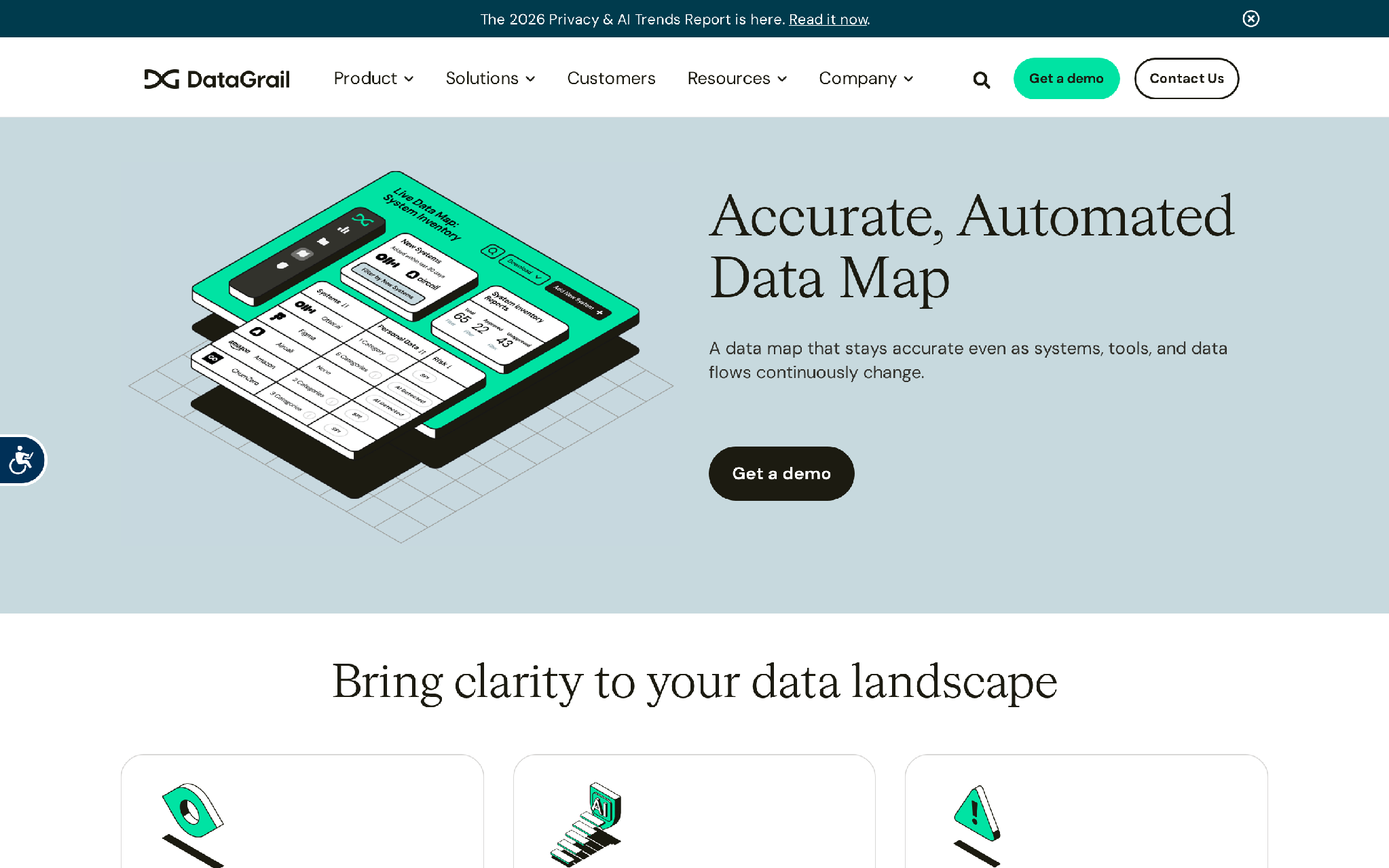
DataGrail builds a ROPA from its Live Data Map. After Live Data Map detects a business system, DataGrail suggests the processing activities that may depend on it. A privacy owner reviews that proposal, corrects its purpose, and assigns the relevant systems before their metadata rolls into the activity record.
That starting point reduces blank-page work, while temporary contributor access lets a business owner fill missing fields without opening the full platform. Change history then shows how the record moved from suggestion to approved activity.
Features
- Live Data Map detects business systems.
- Suggested activities give the team a starting set.
- System data rolls up to a processing activity.
- Progress indicators show missing ROPA fields.
- Temporary contributor access limits exposure.
- CSV and PDF exports support review.
Pricing
- Reported median: About $50,000 per year, with no listed free plan or trial.
- Data subject volume and modules affect the contract.
Pros
- System detection reduces manual inventory work.
- Suggested activities speed up the first draft.
- Contributors can answer a narrow set of fields.
- Change history preserves review evidence.
- Exports can serve an audit request.
Cons
- Suggestions still need legal review.
- Pricing is not published by package.
- System metadata cannot prove purpose by itself.
- India-specific reporting needs local fields.
- A small data estate may not justify the cost.
Summary
DataGrail fits a SaaS-heavy company that wants system detection to feed processing activities. Privado AI goes further upstream for teams that want code and product documents as inputs.
7. MineOS
MineOS creates a ROPA from its data inventory. A user adds data sources first, and MineOS uses that inventory to suggest processing activities. The assigned owner then reviews the proposed purpose and activity boundary before completing the record’s retention, access, and transfer fields.
MineOS flags required fields as the owner completes an activity, so the DPO can review gaps before downloading the record. The approval still depends on whether the proposed activity boundary matches the business purpose shown by the connected sources.
Features
- No-code inventory collects data sources.
- Suggested processing activities start the register.
- Required fields guide record completion.
- Owners and retention fields sit in each activity.
- Completed records can be downloaded.
- Integrations support privacy operations beyond ROPA.
Pricing
- Reported starting benchmark: About $18,000 per year; buyers get no listed free plan or ROPA trial.
- Buyers need to verify the current annual quote and included sources.
Pros
- The guided workflow suits a small privacy team.
- Required fields reduce incomplete exports.
- The register starts from known data sources.
- Users can edit activity records without code.
- ROPA work can connect to other privacy tasks.
Cons
- Public package pricing is absent.
- Suggested records need owner validation.
- Enterprise discovery may need more depth.
- The reported price needs quote confirmation.
- DPDPA requirements need a local template.
Summary
MineOS is easier to approach when a lean team needs a maintained register. BigID is the stronger choice when discovery across a large estate matters more than guided entry.
8. Transcend
Transcend maps data through technical integrations. Its discovery products inspect schemas and sampled data, giving engineering teams a map that stays close to the systems they change. That inventory can produce a ROPA, support privacy requests, and expose a connection that no longer matches the approved activity.
This model suits a company that wants privacy controls in its infrastructure. It asks for engineering support. A legal owner must still approve the purpose and statutory interpretation captured in the record.
Features
- Schema discovery maps structured systems.
- Data classification can inspect selected data points.
- Integrations connect privacy work to live systems.
- Data inventory supports a ROPA output.
- Request workflows use the same system map.
- Technical controls can enforce data use decisions.
Pricing
- AWS Marketplace platform: $400,000 for a 12-month contract; this package lists no trial or free tier.
- Usage outside the contract can create overage cost.
Pros
- The map stays near live technical systems.
- Engineering teams can verify system connections.
- One inventory supports ROPA and request work.
- Schema discovery can reduce full-data scanning.
- Policy controls extend beyond documentation.
Cons
- The public AWS price needs an enterprise budget.
- Implementation requires engineering time.
- Legal purpose still needs human input.
- The product exceeds a register-only need.
- DPDPA reporting needs local configuration.
Summary
Transcend fits an engineering-led enterprise that wants a technical privacy layer. TrustArc can be easier when the privacy office owns the workflow and wants advisory help.
9. Privado AI
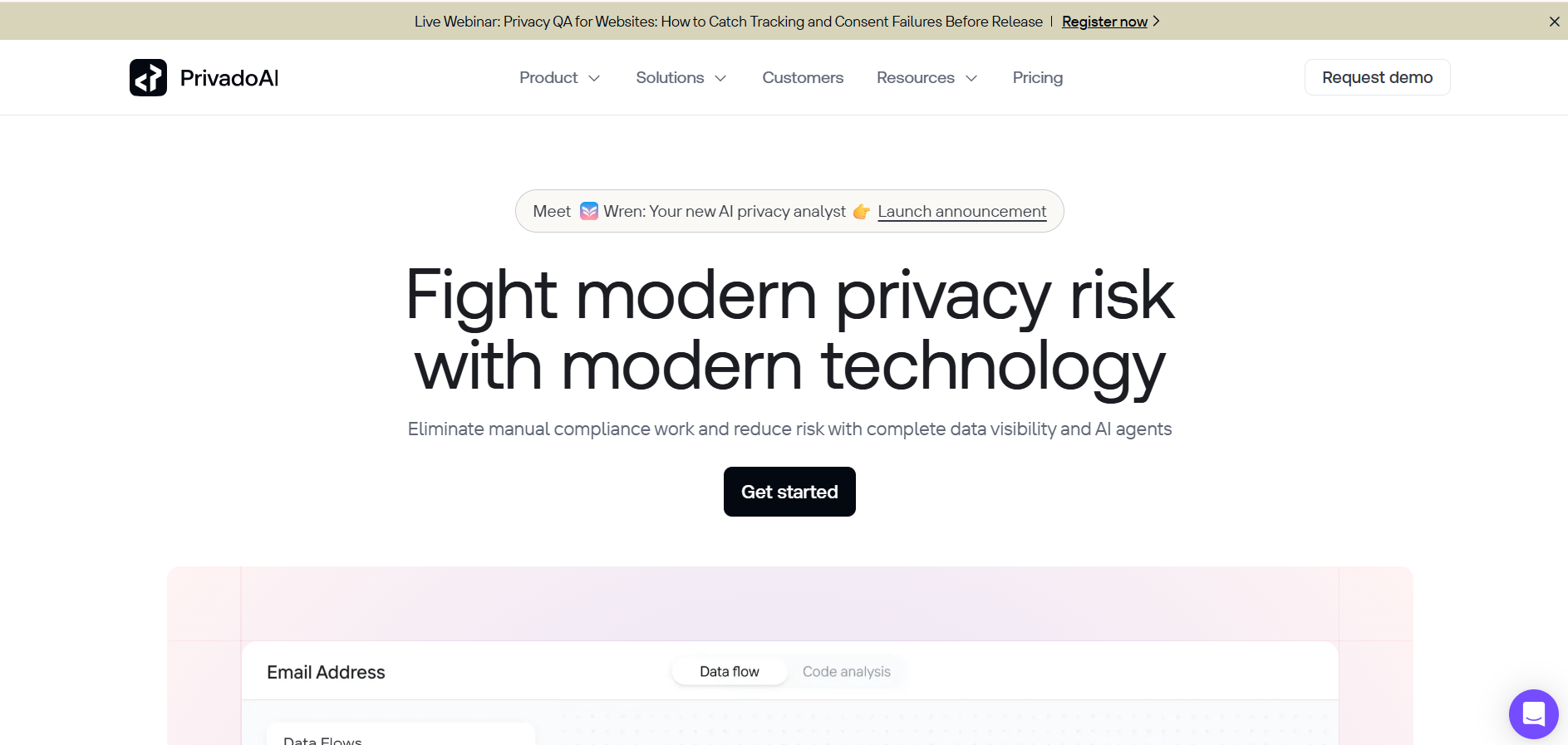
Privado AI gathers ROPA inputs from code and working documents. Its agents read product requirements and technical specifications, while dynamic maps add signals from applications and source code. Before accepting a proposed answer, reviewers can inspect the document or code evidence that produced it.
This approach catches change near product work. It does not remove the approval gate. A DPO and product owner need to decide whether the extracted fact describes the full processing purpose.
Features
- Document analysis proposes ROPA fields.
- Code scanning identifies personal data use.
- SaaS integrations add third-party app context.
- Dynamic maps track data flow changes.
- Evidence appears beside generated answers.
- Development tickets can route remediation.
Pricing
- Wren: Starts at $4,200 per month billed annually for up to 500 assessments, with no listed free plan or trial. Buyers need a separate scoped quote for the wider Privacy Management Platform.
Pros
- Product documents become ROPA inputs.
- Code scanning can catch undeclared processing.
- Evidence helps reviewers check suggestions.
- Development tickets move fixes to owners.
- The workflow starts before an annual audit.
Cons
- Wren alone may not include every platform feature.
- Generated fields require legal approval.
- Code access needs a security review.
- The starting price may exceed a small team’s budget.
- India-specific statutory fields need configuration.
Summary
Privado AI fits product teams that want change signals from code and documents. Redacto is the more direct fit when DPDPA operating workflows are the center of the program.
What the DPDPA changes about your ROPA design
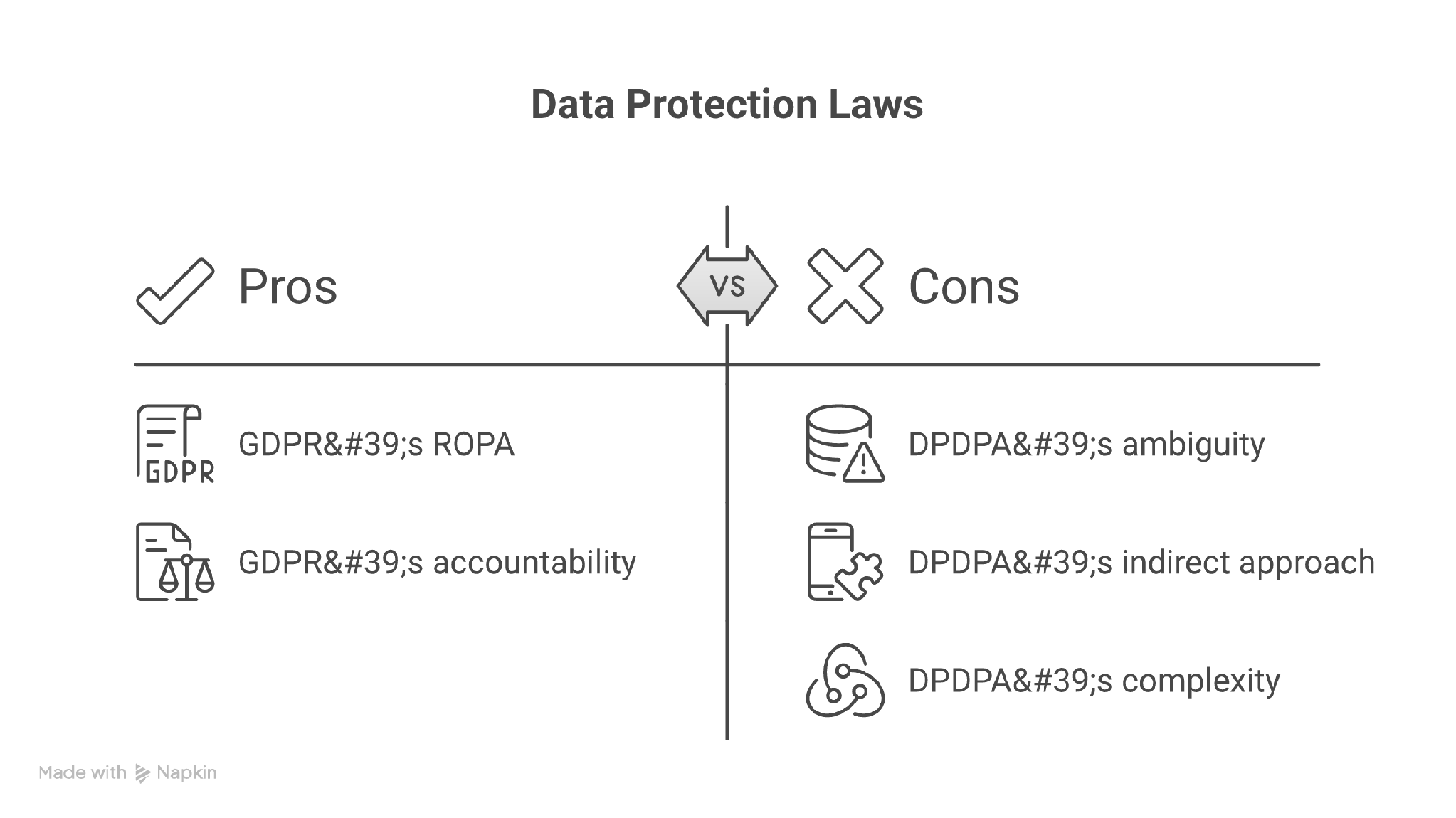
The Digital Personal Data Protection Act, 2023 does not copy the ROPA duty in Article 30 of the GDPR. Do not buy a tool and assume its GDPR template proves DPDPA compliance.
Your India register can still support four operating questions:
- Which system processes personal data for which purpose?
- Which processor acts under a valid contract?
- What safeguard and retention rule applies?
- Who can produce the decision and change record?
The Digital Personal Data Protection Rules, 2025 were notified on 13 November 2025. Under Rule 6, the operating record can help trace access controls and processor contract measures to the activity that needs them. Erasure and notice mechanics appear in Rule 8, while Rule 13 adds DPIA and audit duties for Significant Data Fiduciaries. The commencement schedule is phased. Check the applicable rule before setting a deadline in your workflow.
How to choose the right ROPA tool
Start with the failure you need to fix.
- Your register misses unknown systems: Shortlist Securiti or BigID.
- Product changes outrun privacy review: Compare Privado AI and Transcend.
- Business owners ignore annual questionnaires: Test DataGrail or OneTrust contributor workflows.
- Your program is India-first: Map a Redacto record to DPDPA duties.
- Your team needs program guidance: Review TrustArc.
- You need a guided register without a broad suite: Validate MineOS pricing and source limits.
Ask every vendor to demonstrate one change from start to finish. Add a processor to an existing activity. Change its purpose. Reassign the owner. Then export the history. A polished report means little if the operating record stays wrong.
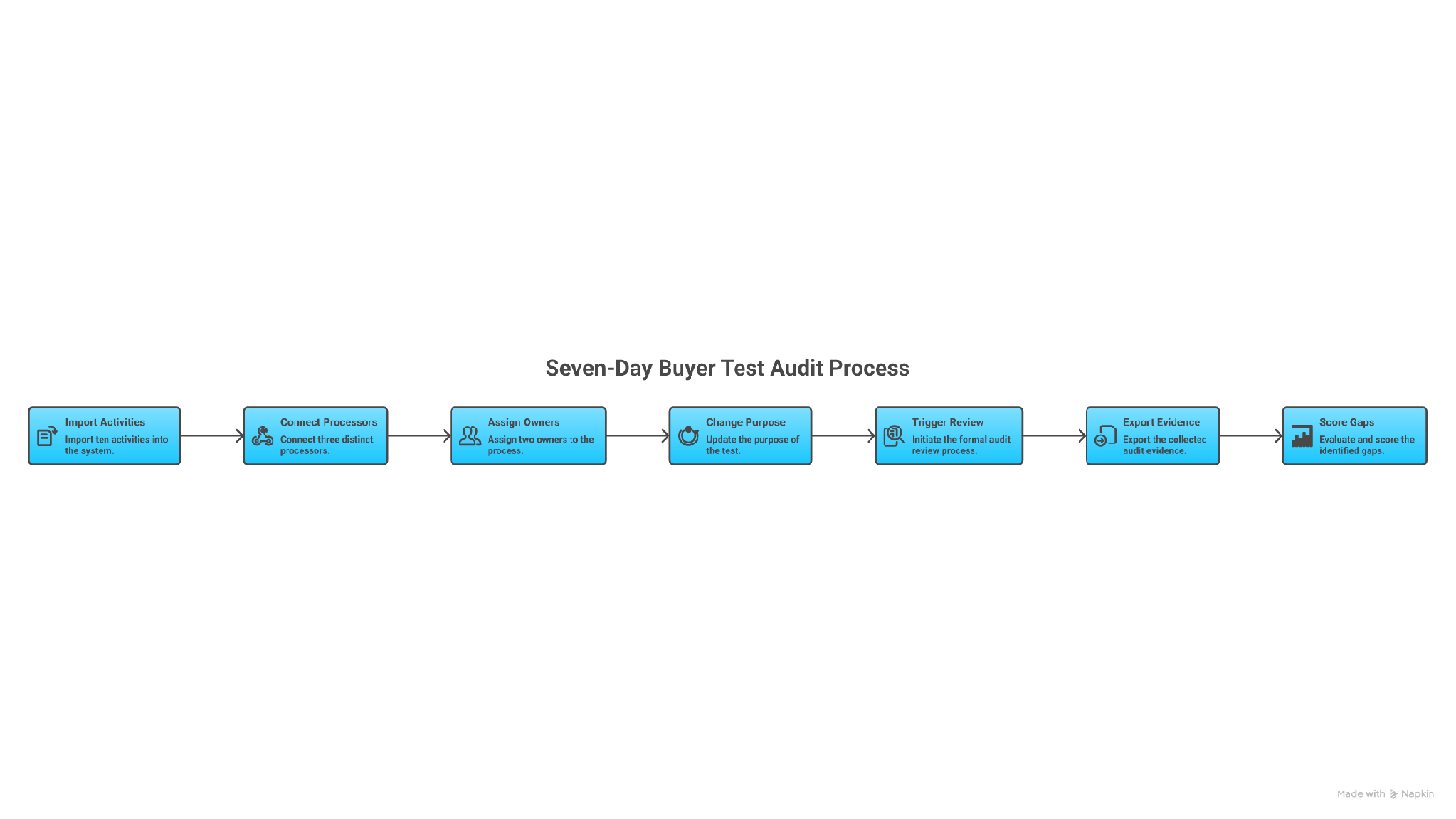
Audit one changed processing activity this week
On Monday, pick one processing activity that changed last quarter and trace its purpose through the live systems and processors. Check the named owner, locate the last approval, and compare the retention trigger with what those systems now do.
Set a 30-minute limit for producing the trail. Any missing owner, approval, or system connection becomes a test case for vendor demos this week. Choose the tool only after it preserves those changes in an export another reviewer can follow.