%20Redacto%20logo_New.png)


How to set up cookie consent banners that actually convert visitors


Need a cookie consent banner that doesn't kill your conversion rates? Fed up with privacy pop-ups that send visitors running instead of building trust?
In the digital world, every click, cookie, and conversion begins with consent. For years, businesses have treated cookie banners as compliance checkboxes rather than conversion opportunities. The overall industry average for cookie banner acceptance rates hovers around just 31%, with some brands seeing rates as low as 4%.
Modern consent management platforms and trust center solutions transform privacy compliance from a burden into a competitive advantage.
Ready to transform your cookie banners into conversion assets? Get started with Redacto today.
Why Most Cookie Banners Fail at Converting Visitors
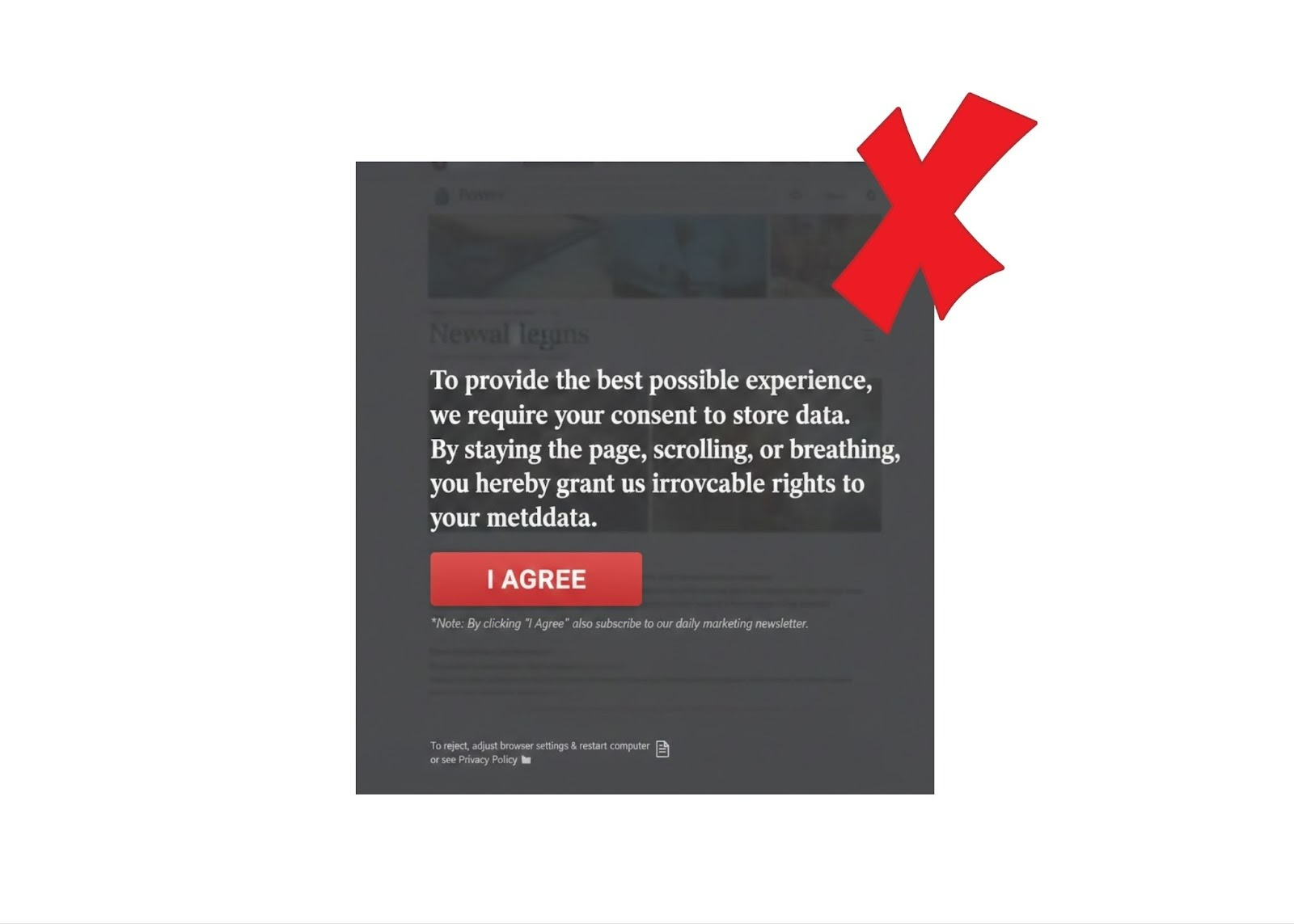
Cookie banners have become the web's most frustrating interruption. Academic research analyzing over 254,000 websites shows that when rejecting cookies requires more than one click, about 90% of users simply accept all cookies to make the banner disappear. This isn't informed consent, it's user exhaustion.
The problem runs deeper. The same comprehensive study found that only 15% of cookie banners meet minimum GDPR compliance requirements, yet businesses continue implementing broken patterns. Pre-checked boxes, buried reject options, and confusing language create legal risks while destroying user trust.
For financial services companies, this approach is dangerous. Banks, NBFCs, and fintech startups can't afford compliance failures. Automating consent collection for fintech applications requires sophisticated systems that balance regulatory requirements with seamless user experiences.
What High-Converting Cookie Consent Implementation Looks Like
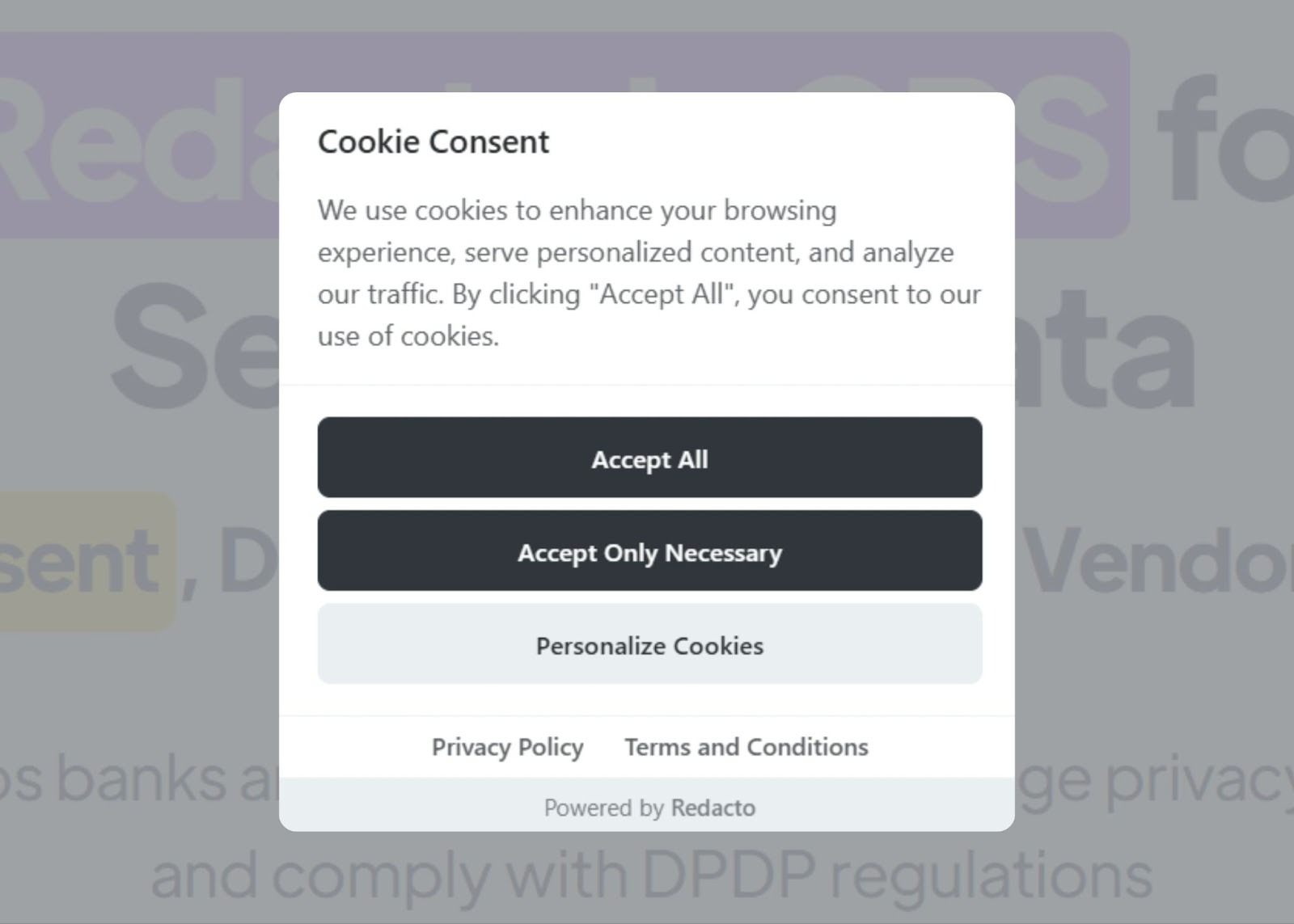
High-performing cookie consent banner setup follows clear principles that prioritize both compliance and conversions:
Clear, transparent communication.
Users need plain language explanations. Instead of "We use cookies to enhance your browsing experience," try "We use cookies to remember your preferences and show relevant content."
Equal visual prominence for Accept and Reject options
While industry average acceptance sits at 31%, well-designed, compliant cookie banners with balanced options achieve consent rates between 72.5% and 82%, significantly higher than manipulative designs.
Granular control that empowers user choice.
Successful implementations offer category-specific consent options, allowing users to accept analytics cookies while rejecting advertising trackers.
Mobile-optimized design.
Cookie banner optimization must prioritize touch interfaces and smaller screens without obstructing content.
Why This Matters for Business Growth

Effective cookie consent implementation delivers multiple advantages:
Enhanced user trust and brand credibility: Transparent privacy practices signal respect for user autonomy, building stronger customer relationships.
Better data quality and marketing performance: When users actively choose to share data, insights are more reliable than data collected through deceptive practices.
Reduced compliance risks: Managing cookie consent across multiple regions requires sophisticated systems, but proper implementation prevents costly violations.
Competitive differentiation: Companies that excel at privacy compliance gain market advantages as data protection becomes a customer selection criterion.
Essential Steps for High-Converting Cookie Consent Banner Setup
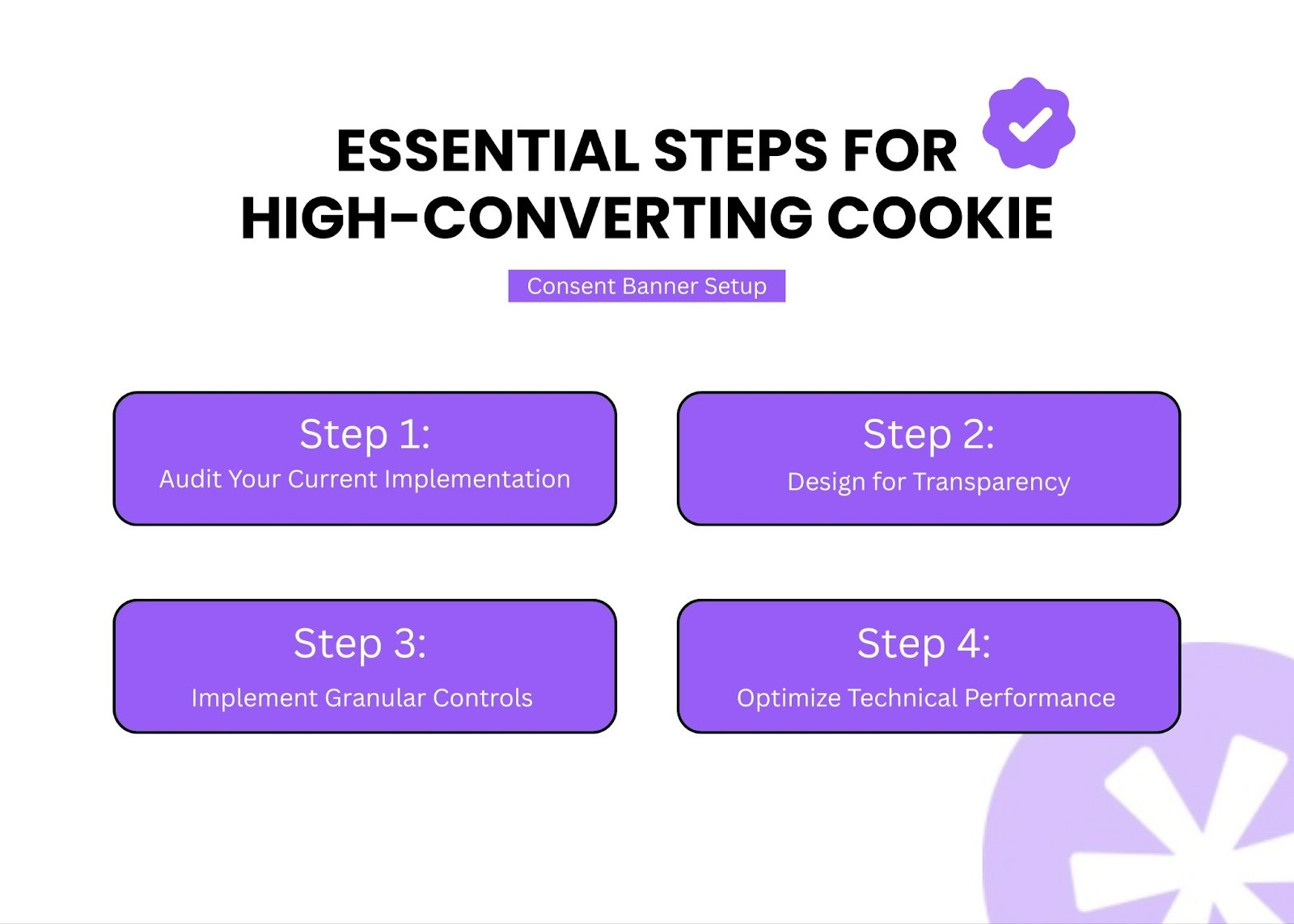
Step 1: Audit Your Current Implementation
Scan your website to identify all cookies, tracking scripts, and data collection mechanisms. This ensures your consent banner accurately reflects actual data practices.
Step 2: Design for Transparency
Create banner designs that prioritize user understanding. Use consistent branding, clear language, and balanced button designs. Avoid dark patterns like pre-checked boxes.
Step 3: Implement Granular Controls
Enable informed choices about different cookie categories. Distinguish essential cookies from analytics, marketing, and social media tracking cookies.
Step 4: Optimize Technical Performance
Ensure your implementation doesn't slow page load times. Fast, responsive banners create better user experiences and higher conversion rates.
Step 5: Test and Iterate
Monitor consent rates and business impact. A/B testing different designs, messaging, and placement can significantly improve performance while maintaining compliance.
A Foundation for Sustainable Privacy Compliance
Effective cookie consent banner setup reflects a shift toward user-centric privacy practices. Forward-thinking organizations recognize privacy requirements as opportunities to build stronger customer relationships.
This requires a sophisticated privacy infrastructure that adapts to evolving regulations while maintaining optimal user experiences. Redacto's Security Trust Center provides the comprehensive platform businesses need to transform privacy compliance into a competitive advantage.
For enterprises managing complex requirements, integrated solutions become essential. Whether implementing GDPR-compliant cookie banners or choosing between consent management solutions, the right platform simplifies compliance while improving business outcomes.
Conclusion
Cookie consent banner optimization isn't just regulatory compliance—it's about building digital experiences that respect users while driving business growth. Companies that succeed treat consent as part of their value proposition, creating transparency that builds trust and drives customer loyalty.
By implementing a thoughtful cookie consent banner setup that prioritizes user experience alongside compliance, businesses transform privacy requirements from obstacles into advantages. The result is stronger relationships, better data quality, and sustainable competitive positioning.
Ready to turn your cookie banners into conversion assets? Chat with our team to get started.